Ag.Lab.: On-farm production of building insulation from crop residues
How could a small-scale, farm-based system for producing plant-based building materials function so that it is economically and operationally viable for farmers and attractive to workers?
Ag.Lab. research project was awarded by the Ecological Citizen(s) Network+ (Royal College of Art), with funding from the Engineering and Physical Sciences Research Council (EPSRC).
Local Works Studio partnered with the Centre for Rural Policy Research at University of Exeter for the project that ran from September 2024 – December 2025.
Please follow this link to the project report: AgLab report
and this link to an Animation about the project: AgLab animation
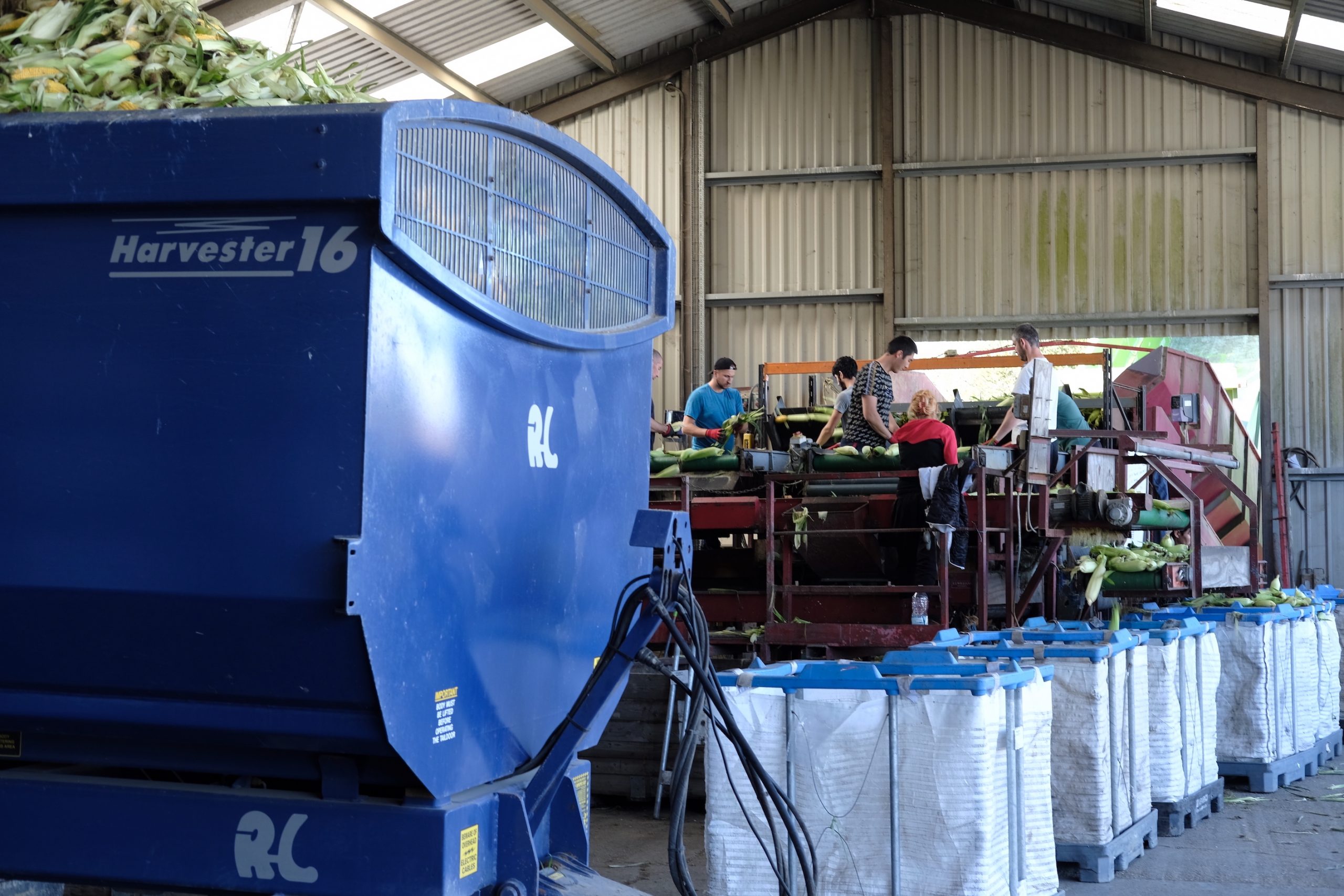
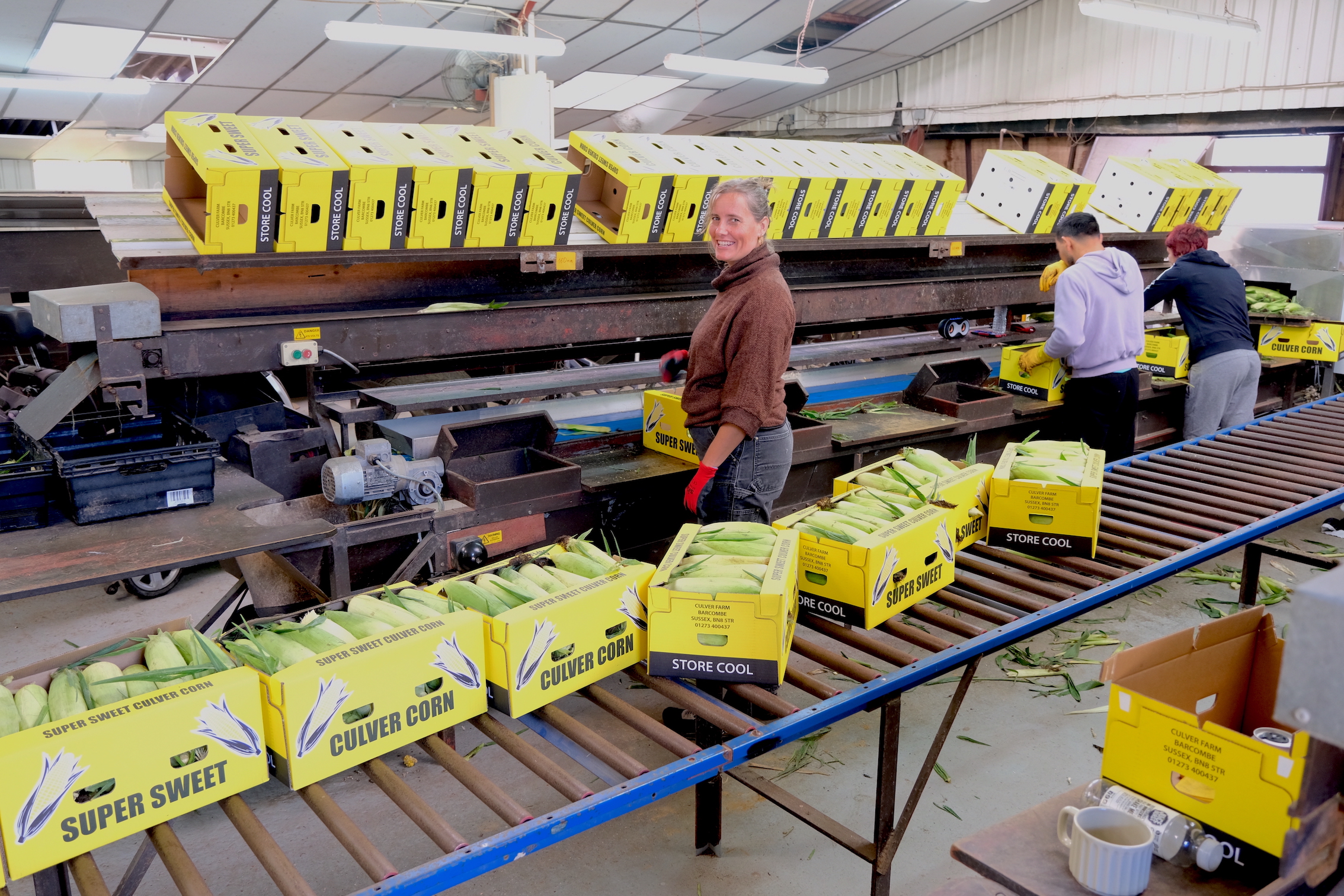
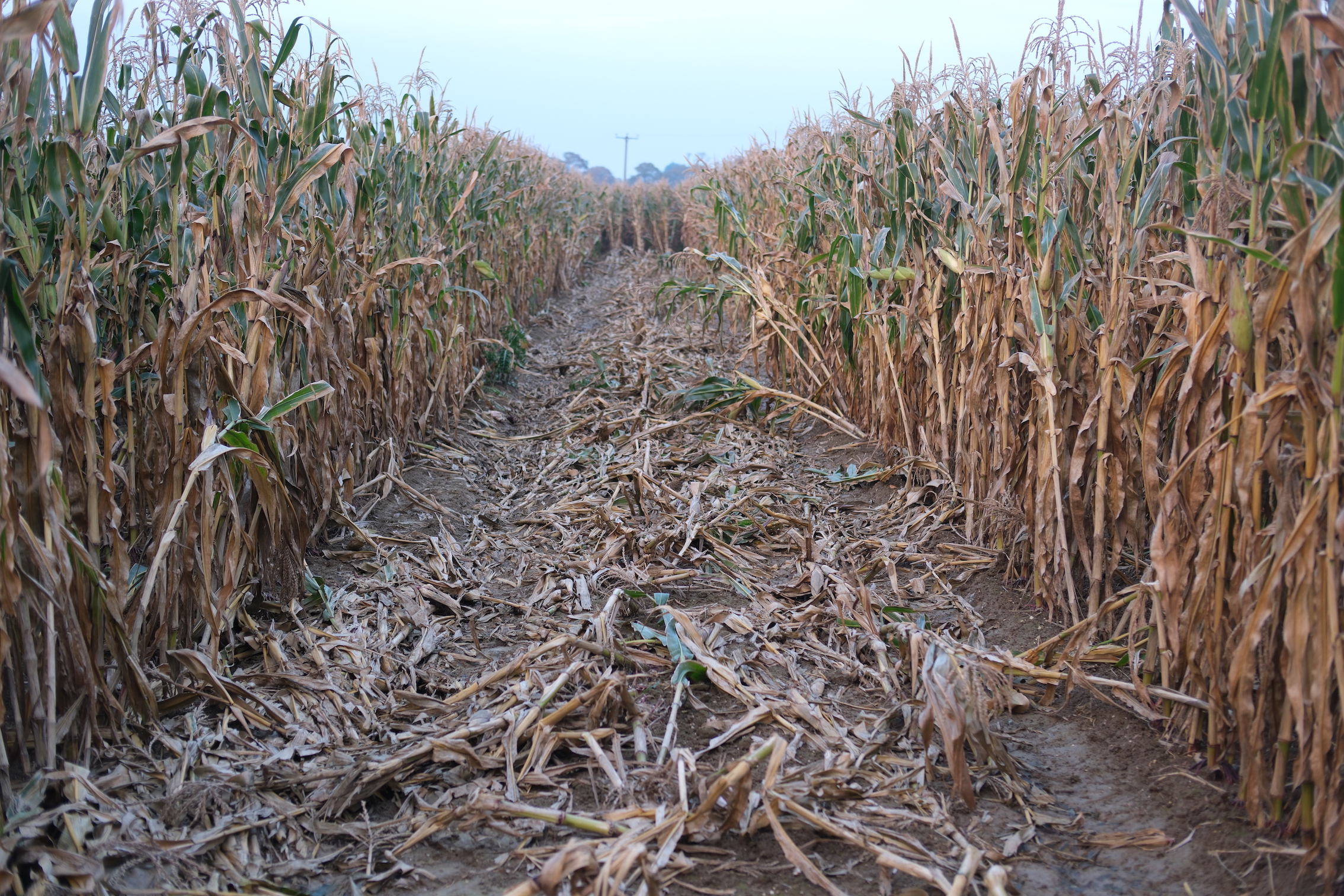
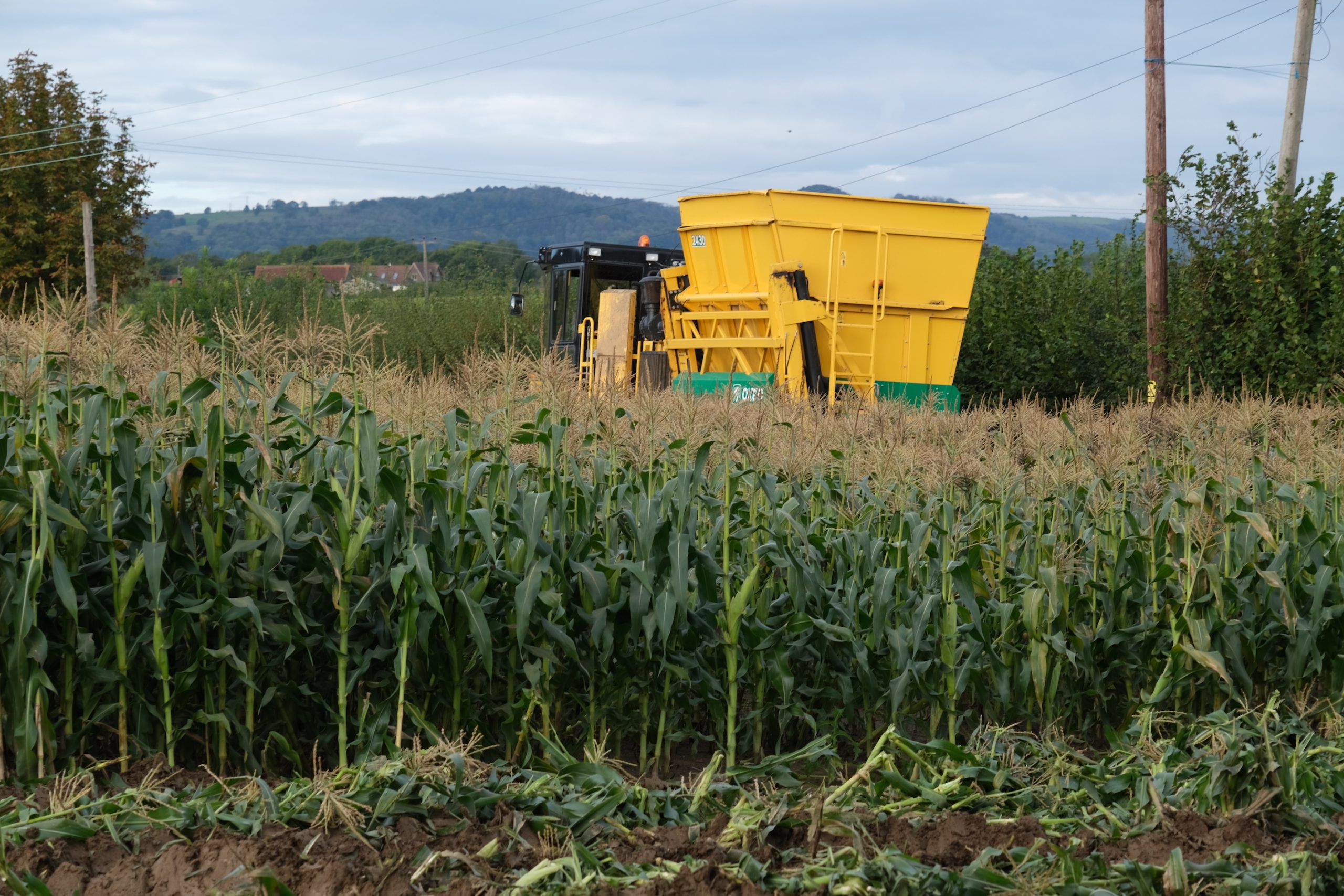
The Ag.Lab. project seeks to explore a complementary alternative to the traditional pathway for manufacturing and distribution of insulating building materials – a decentralised, “Harvest to House” approach. In this model, farms become small-scale producers, using residues from their existing crops and farmers’ versatile skills to manufacture low-carbon products for local use; and diversification into building material production is a seasonal counterpart, rather than competition, to existing food systems.
Farming and brick making have always gone together. A lot of farms made bricks in the winter and then dried them through the summer
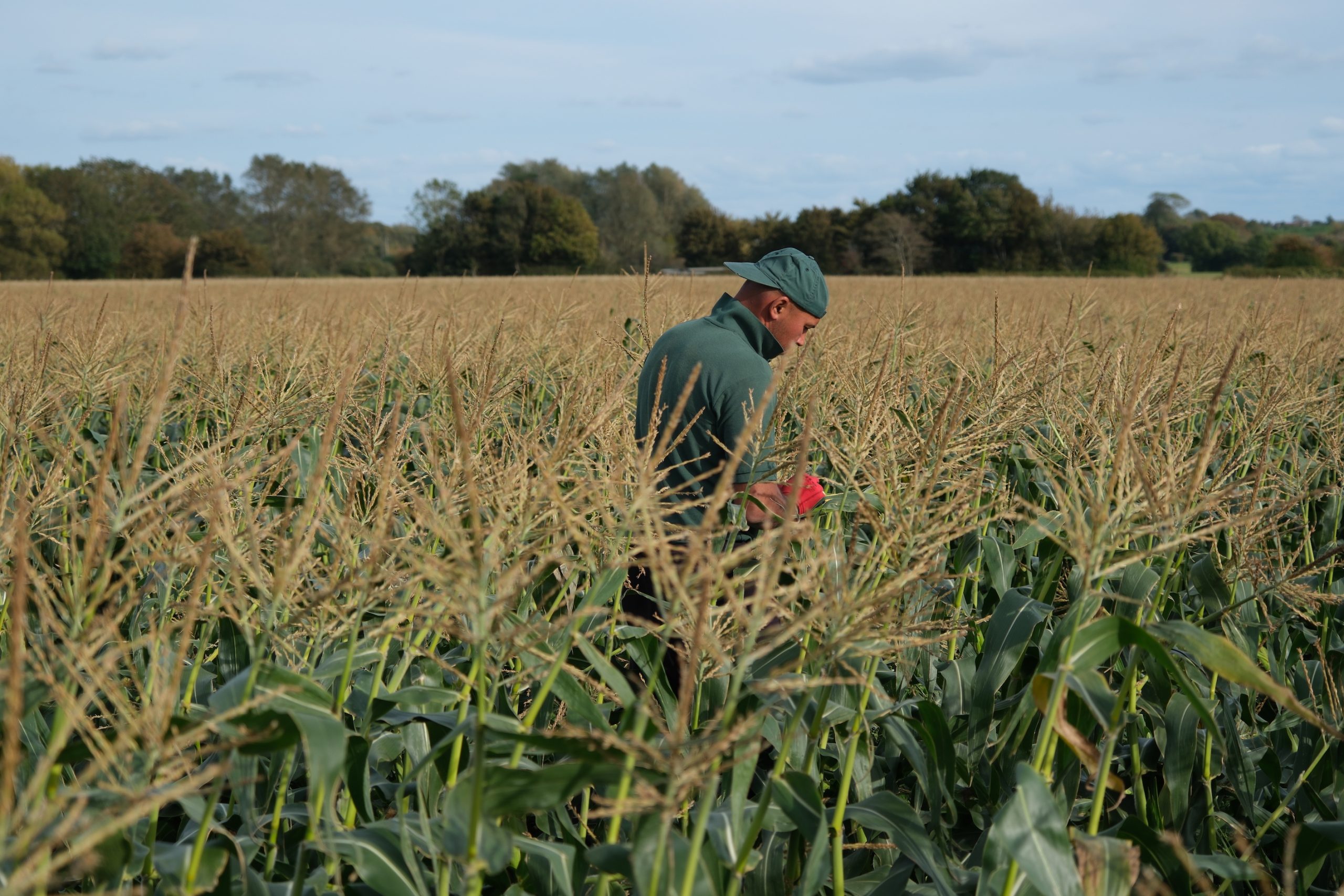
Ag. Lab. was the abbreviation used to describe an Agricultural Labourer in the UK census record, first used in 1841. In the context of this project the term refers more broadly to the human efforts, of all kinds, involved in bringing crops to harvest, but also to the potential for agriculture to be a vital laboratory for innovation.
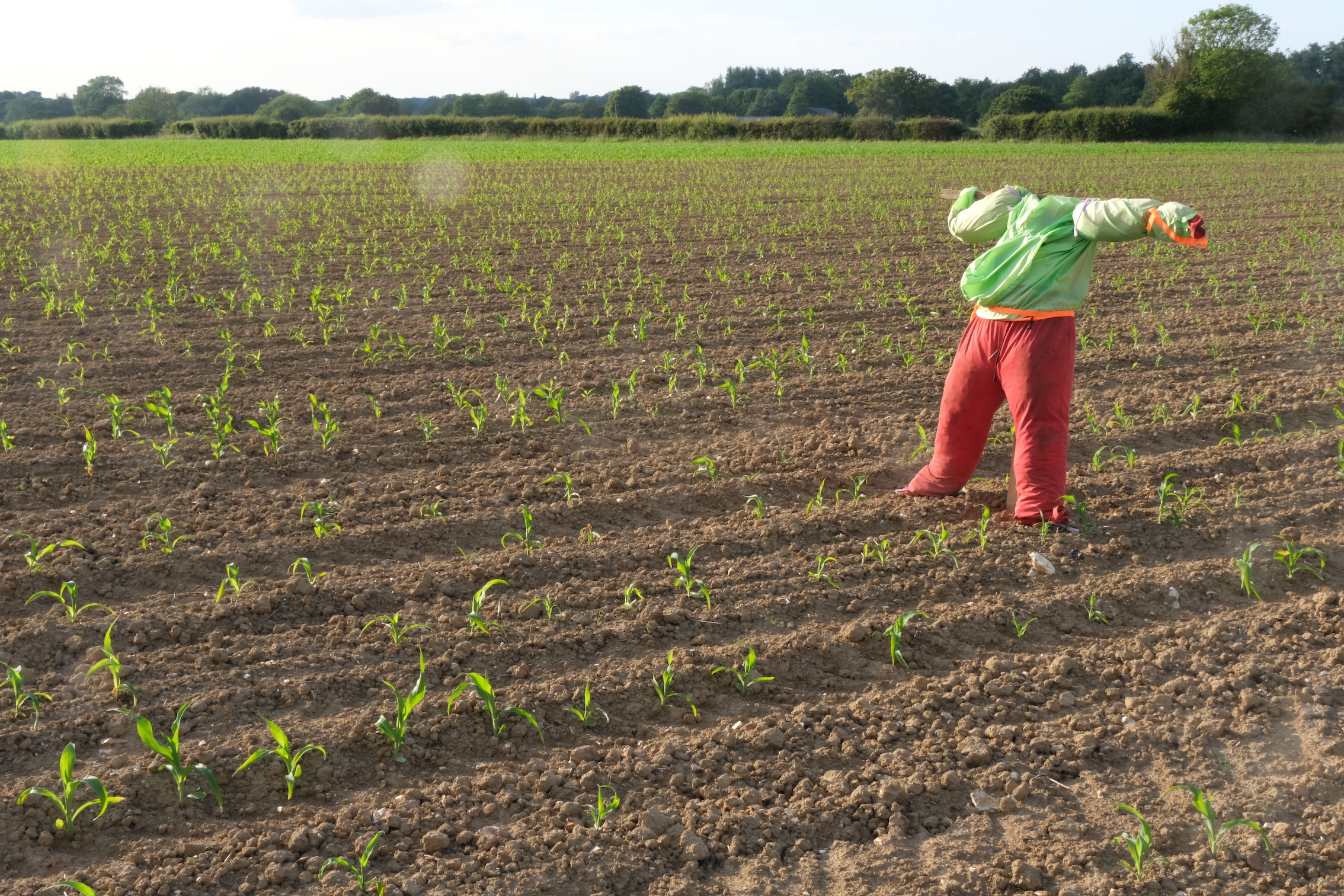
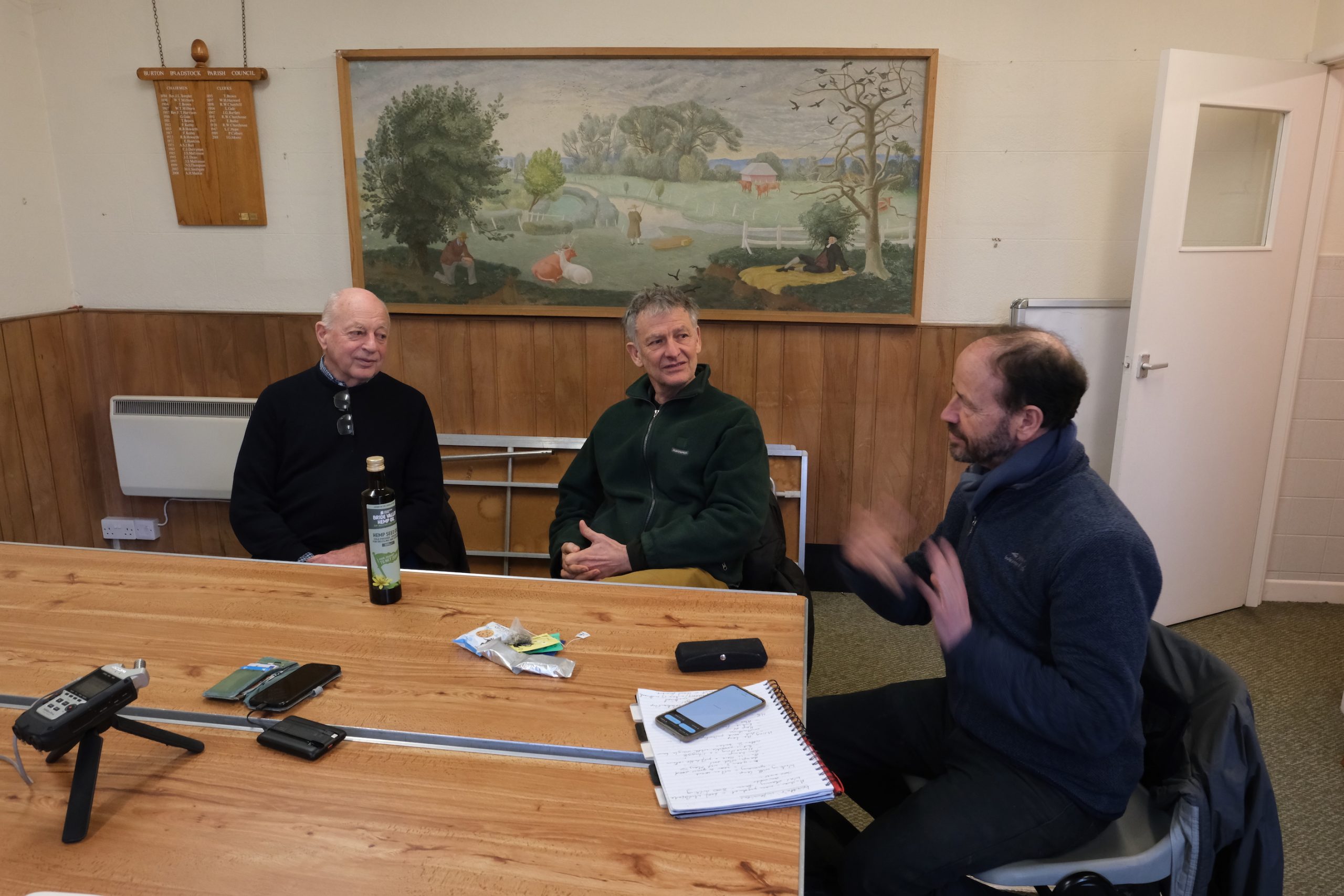
The project was structured as a participatory trial, combining: interviews; participant observation; farm surveys; prototype development; and collaborative action-research – testing systems and methods.
The aim of the research was to form a comprehensive picture of the opportunities and challenges that might be faced by farmers who want to produce insulating building materials and to use this understanding to develop a pilot manufacturing system on a trial farm.
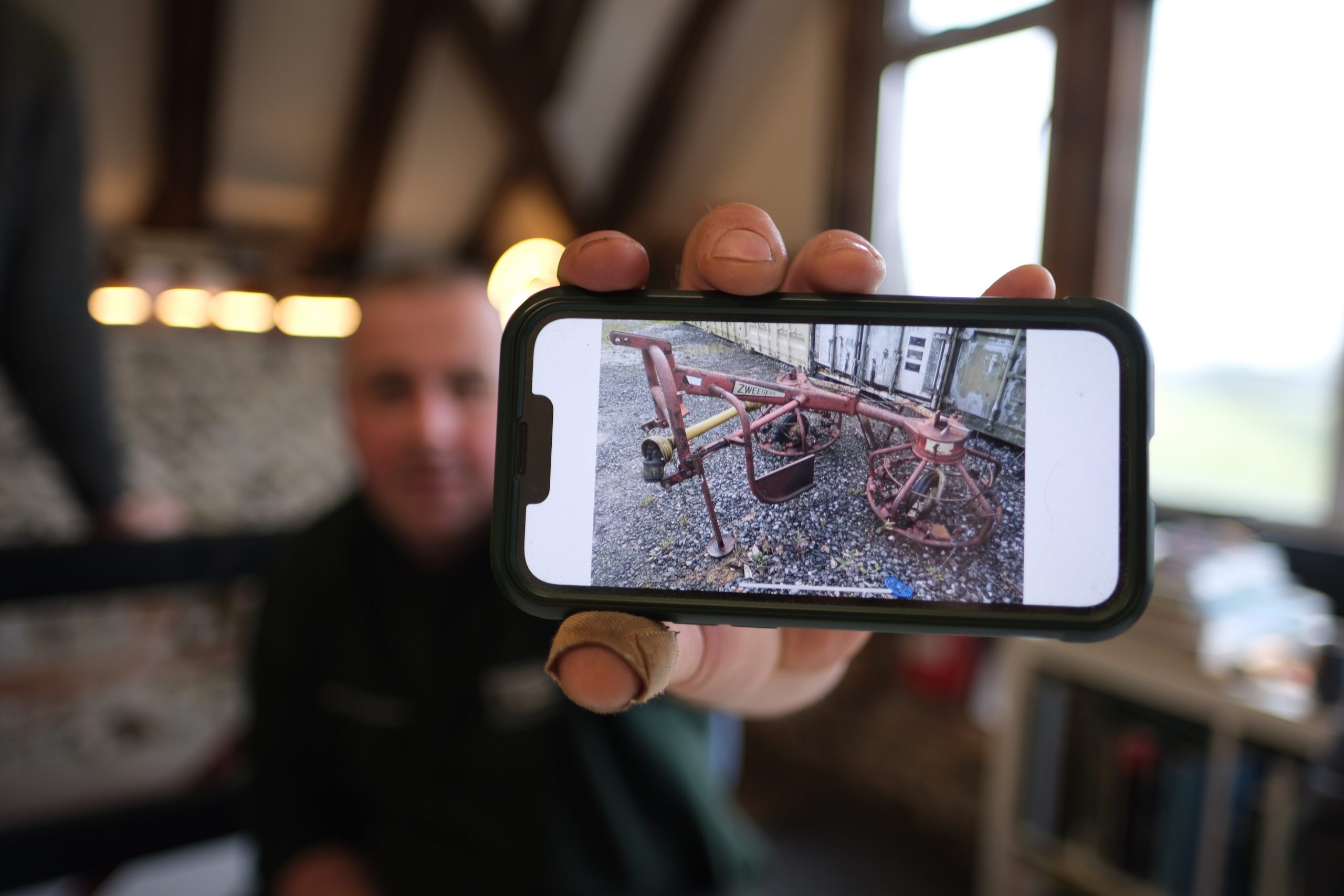
The construction industry faces the impending challenge of how to reduce its reliance on high-carbon, resource-intensive materials such as concrete, steel and fired bricks, and to limit the destructive impacts of their extraction. This is the case not only in the UK and Europe but globally (Ahmad et al, 2025; Sangmesh et al, 2023). In response to the urgent need for sustainable alternatives, it is anticipated that attention will increasingly turn to agriculture (Göswein et al, 2022; Balador, 2024).
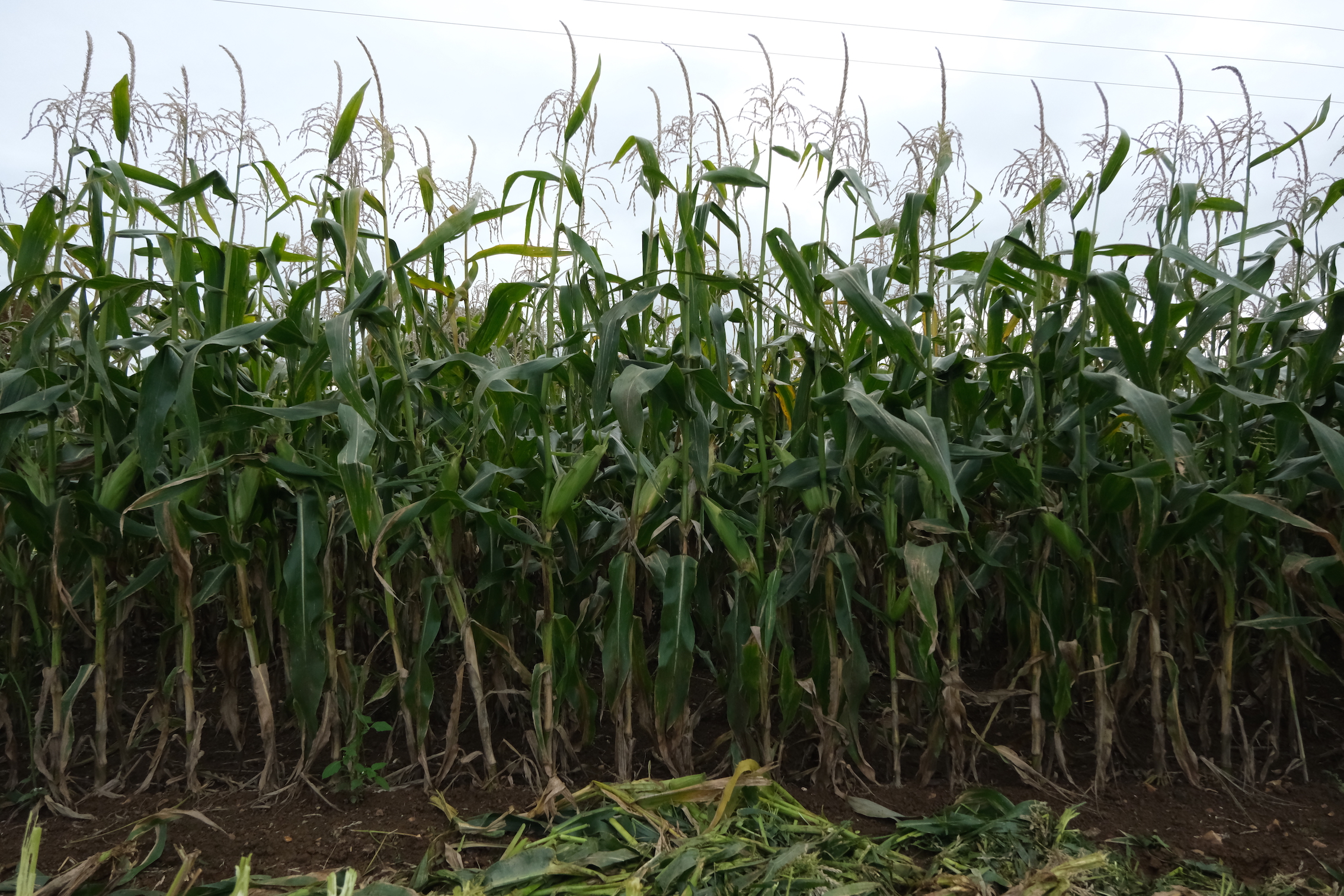
Crops and agricultural by-products, which have historically been used as constituents in traditional building materials, in the contemporary climate, are becoming a viable sustainable substitute for high-energy mineral and petro-chemical insulation products. Insulating building blocks, panels and bulk aggregates made from plants have the potential to reduce environmental damage and embodied carbon associated with construction.
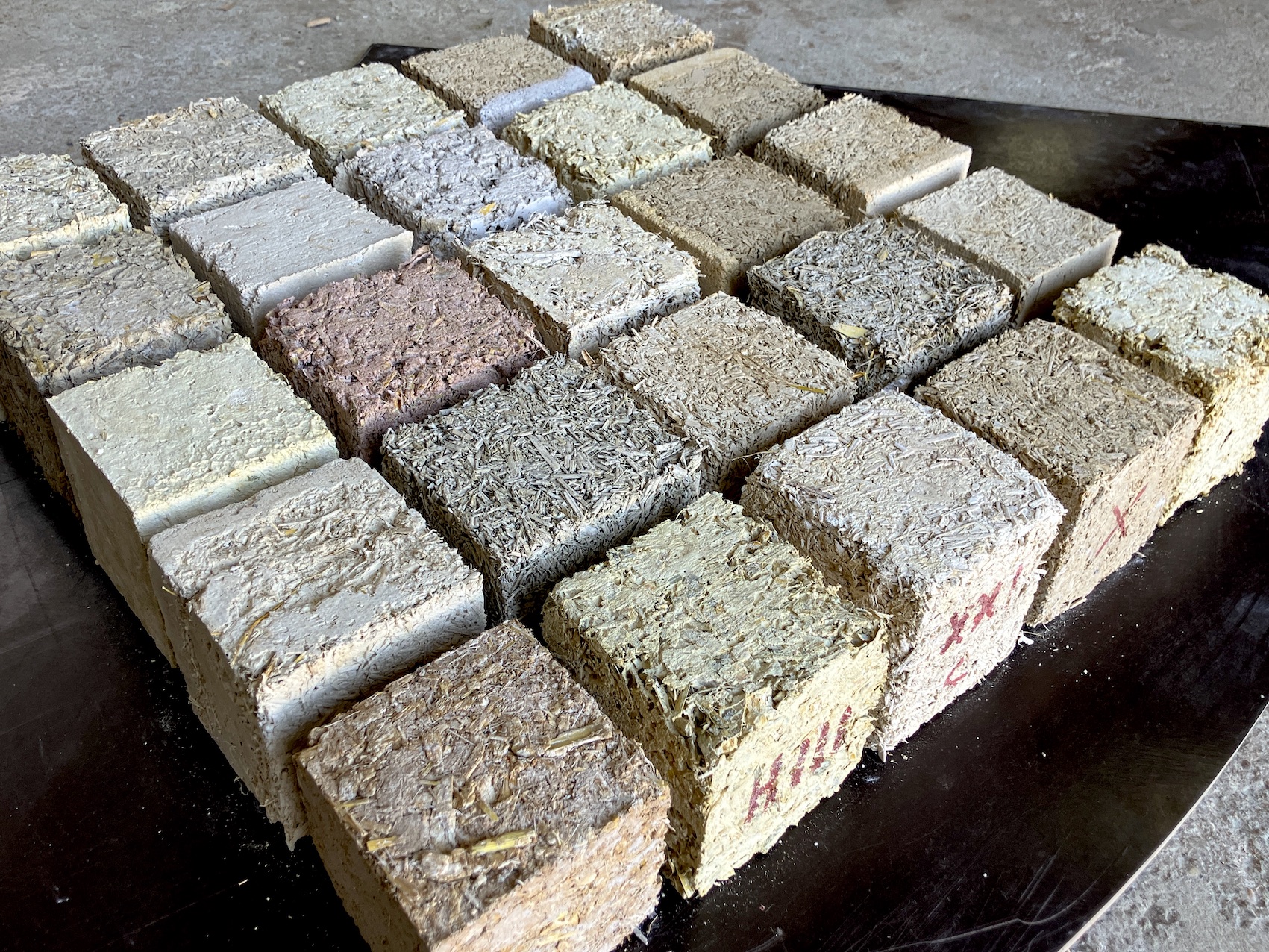
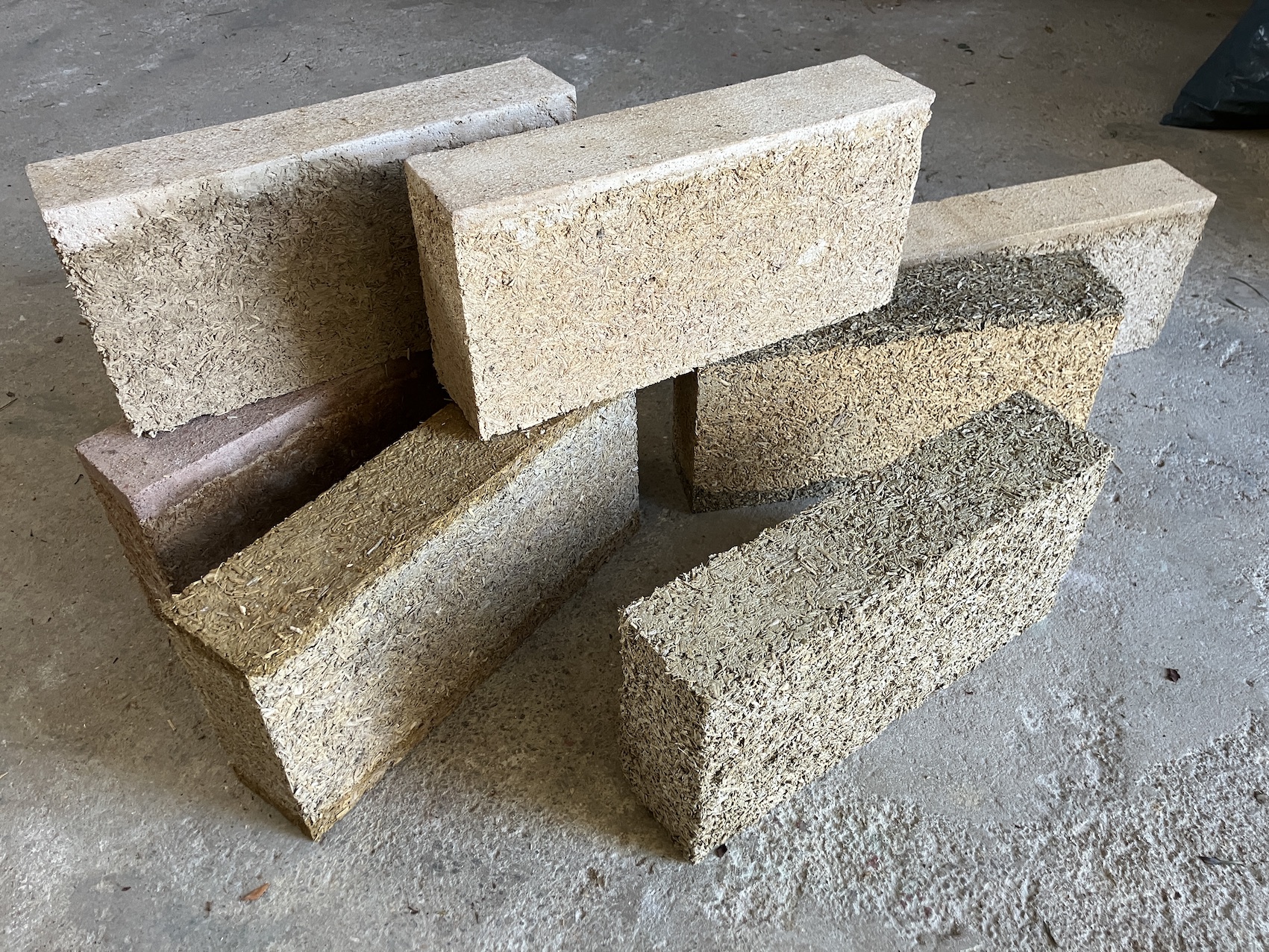
Building on two previous harvests where plant material was collected and trialled, the team developed new block prototypes specifically for this project using plant waste collected across the research period. The aim was to create a simple, unfired insulating block that could be manufactured on-site and potentially used for farm-based construction needs.
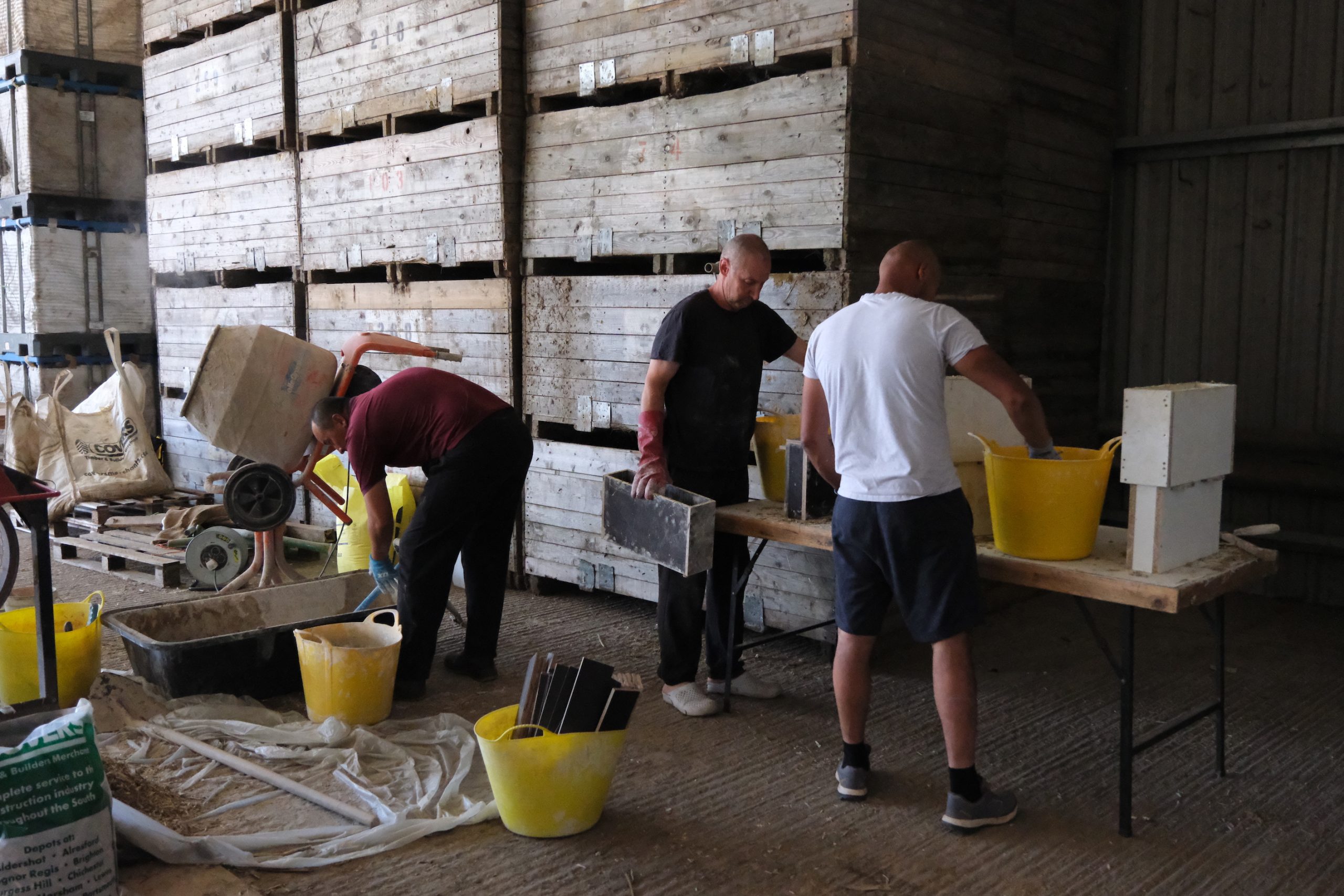
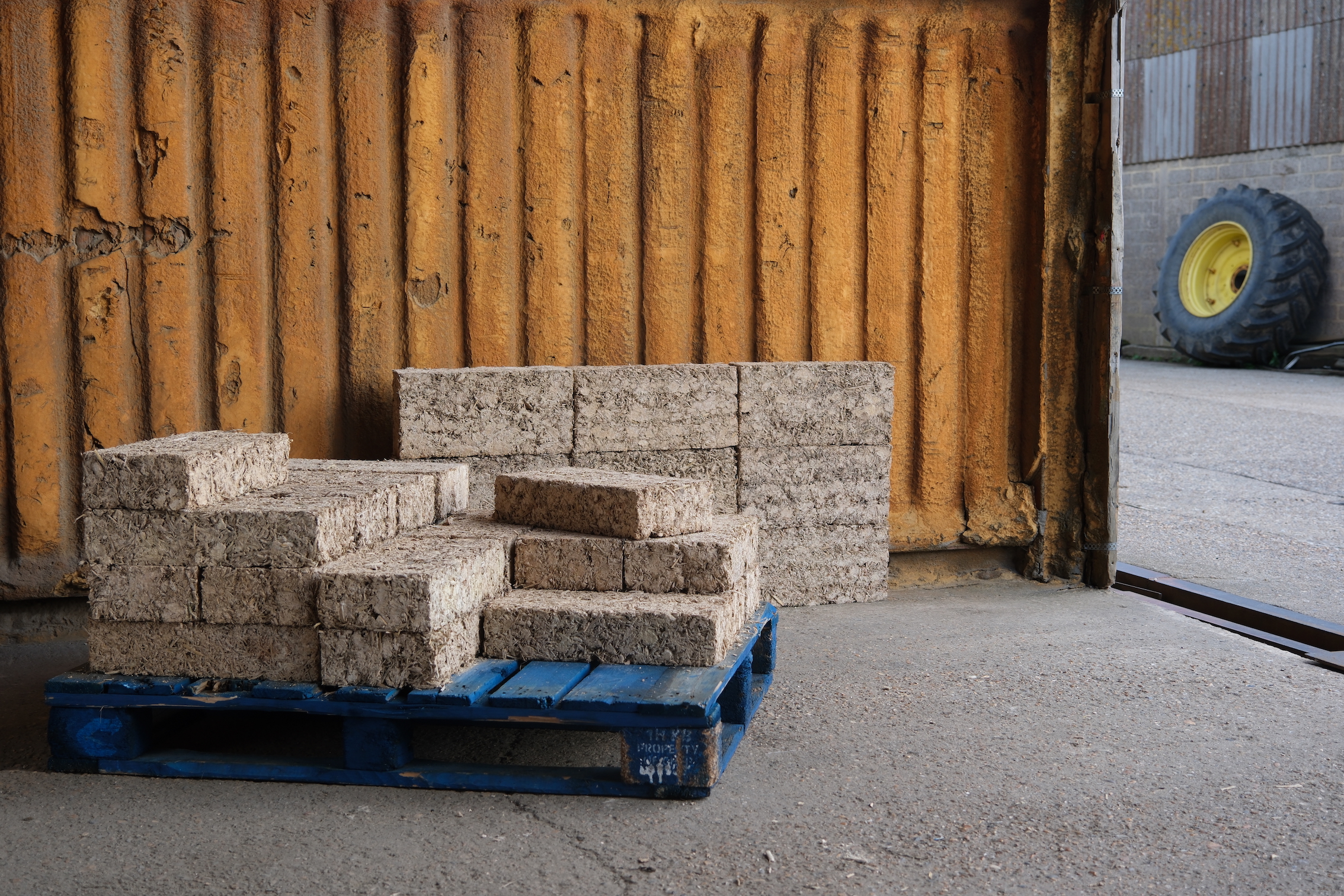
There is an urgent need in the UK for new plant-based building materials that are sustainably grown, made and distributed. The aim of our research was to investigate the opportunities for a decentralised, ‘harvest to house’ approach to the manufacture of construction materials, using the waste from existing food crops, processed on the farm.
Every farm and landscape is unique and there is no off-the-peg solution that will work in all contexts. Any national solutions to the intersecting crises of climate, biodiversity and housing must be adaptable to the environmental and social particularities of every region and ecosystem. The Ag. Lab. project was based on just one farm for one year, but the issues it revealed and the solutions it offers are larger than the sum of its parts.
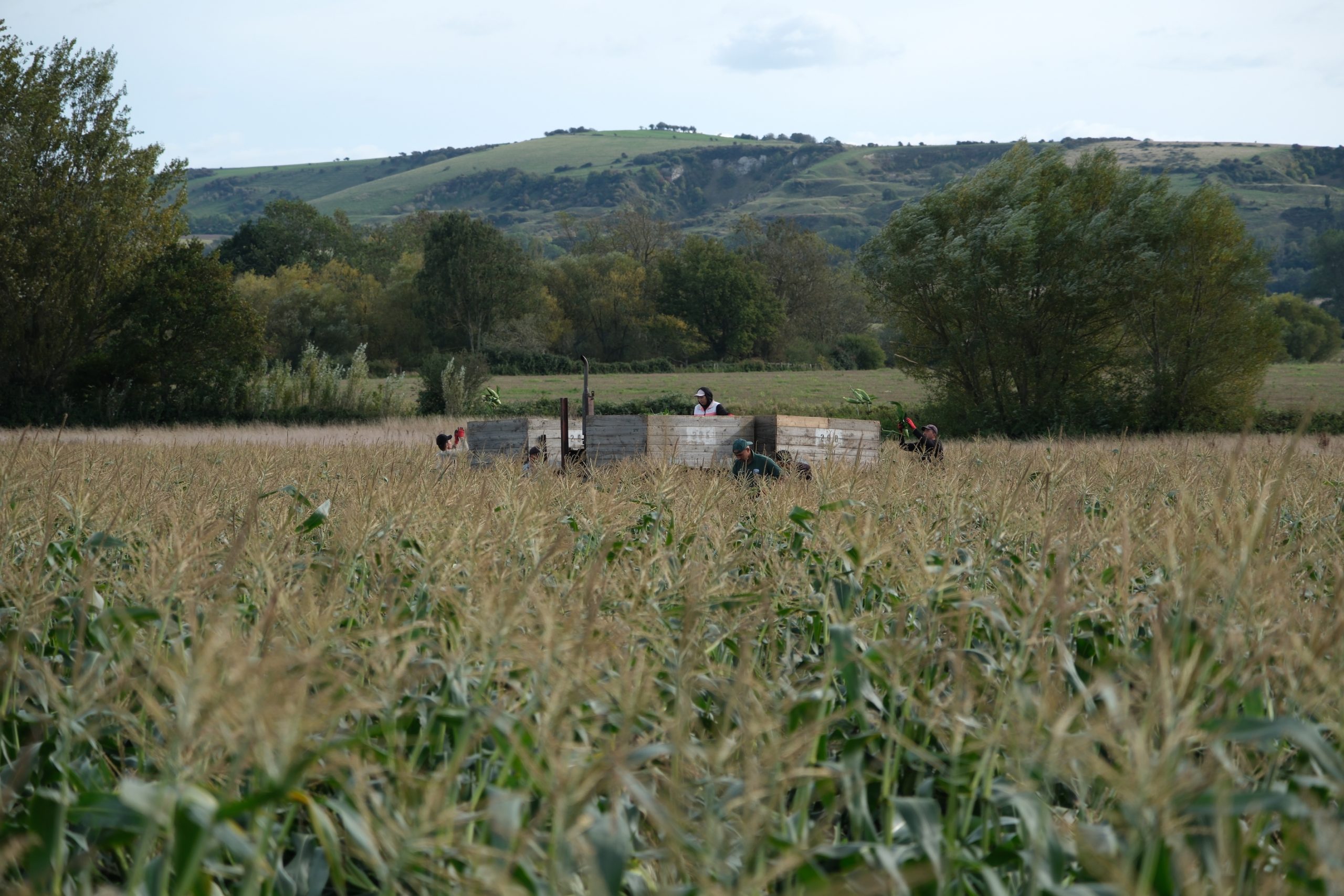
The research demonstrated the complexity and difficulty of trying to produce a consistent product in inconsistent conditions. It was found that, instead of a single system that could be rolled out and adapted to every suitable small or medium farm in the country, there are a range of viable approaches to producing insulating materials from crop residues, that vary in scale and form according to the capacity of the farm. The project has confirmed that such work holds appeal for farmers, workers, and developers alike, providing it can be adopted without significant disruption to already stretched farm systems.
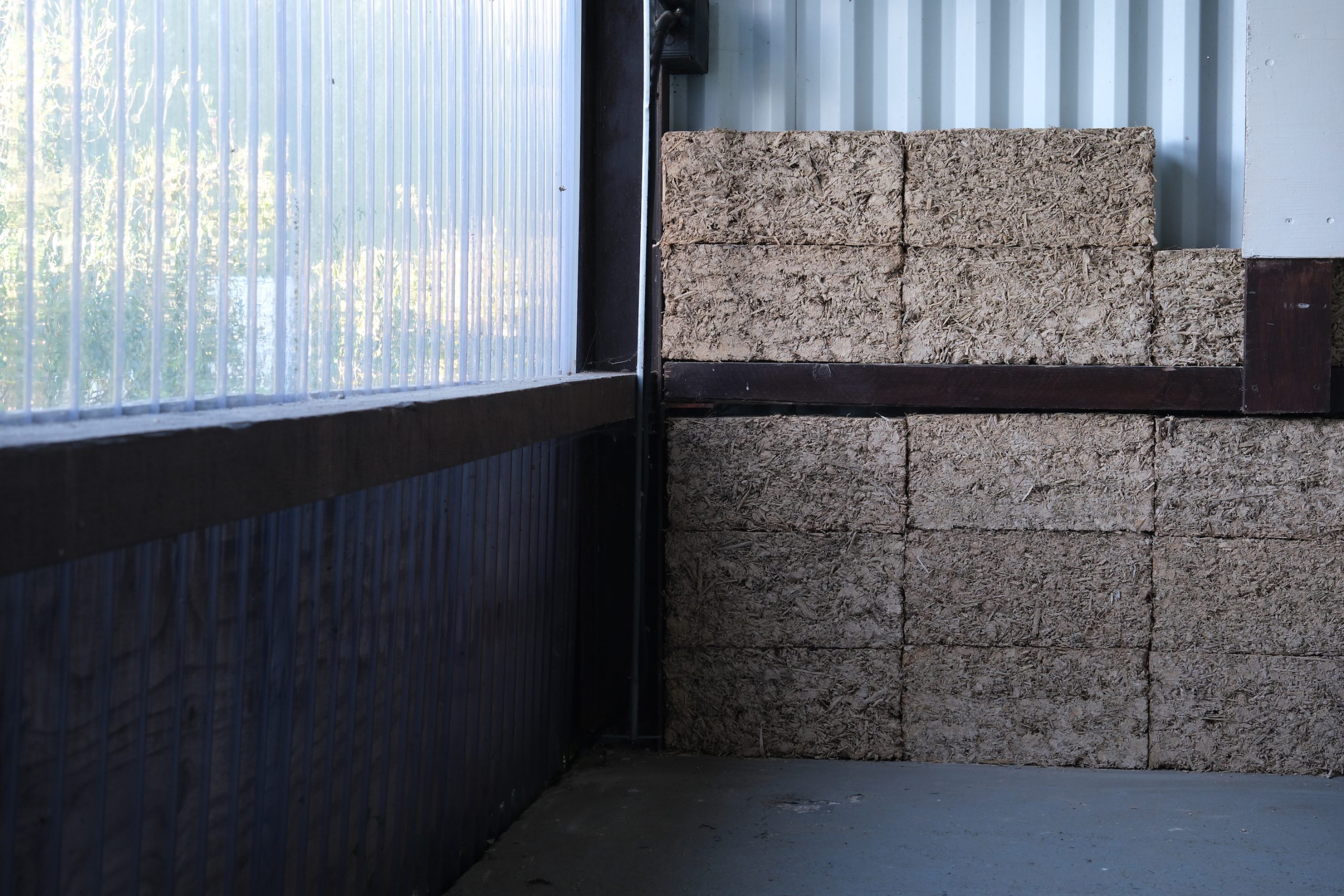
Examining the impacts on people of these new land-based industries was at the heart of this research project. Interviews revealed the pressures that an increasingly isolated population of farmers and land workers are under and the importance of collaboration and mutual support to the success of new enterprises. Local processing hubs could provide structure for closer relationships between agricultural and construction sectors, diverse farms and across generations, offering lower risk avenues for experimentation, testing and demonstration of new materials and applications. They could also meet the identified need for educational opportunities, ‘good work’ and a foothold for new entrants. Knowledge could diffuse internationally through migrant workers and the wider discourse around sustainability and place-making offers powerful cultural momentum.
In short, ‘Harvest to House’ is not just a technical possibility but a social and cultural opportunity. The challenge is to ensure that it is taken seriously, and that farms are supported to play their part in building a sustainable future.