Harvest Moon
Harvest Moon is a project researching biomaterials, seasonality, agriculture and gathering. The project consists of a table made from harvested materials and a programme exploring what we collect, gather and give thanks for today.
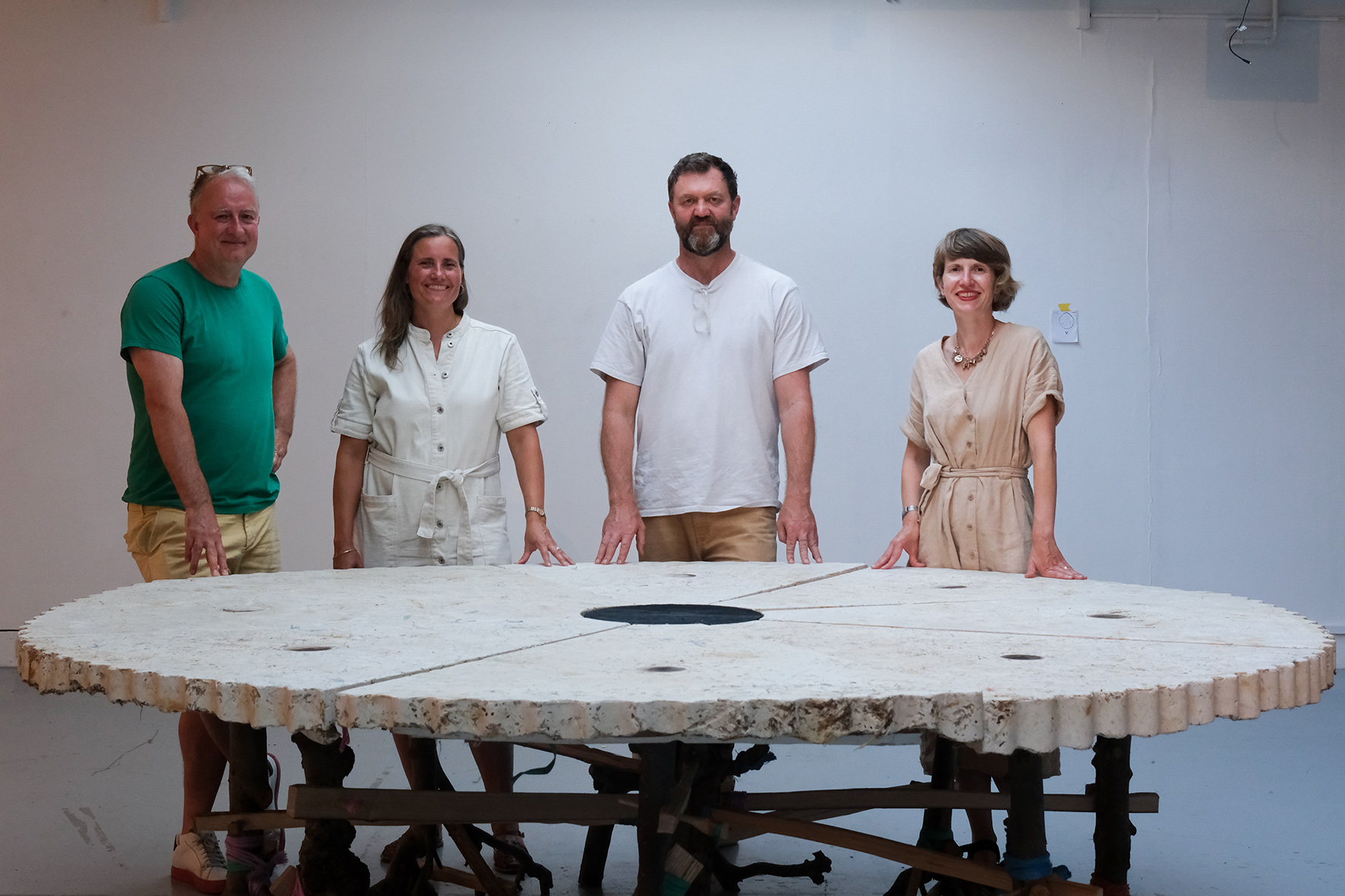
Working together, Local Works Studio, architect Charles Holland and design historian Cat Rossi (both Professors of Architecture at UCA Canterbury) have realised a table using materials harvested from a forty-mile radius of Canterbury in Kent, UK.
The project was funded by an internal research grant from the University of Creative Arts (UCA).
The table explores the use of biomaterials along with rituals of harvesting and gathering. The research aims to contribute to developments in regenerative design, place-based innovation, and the renewal of the local, the seasonal and the communal in contemporary architecture and design.
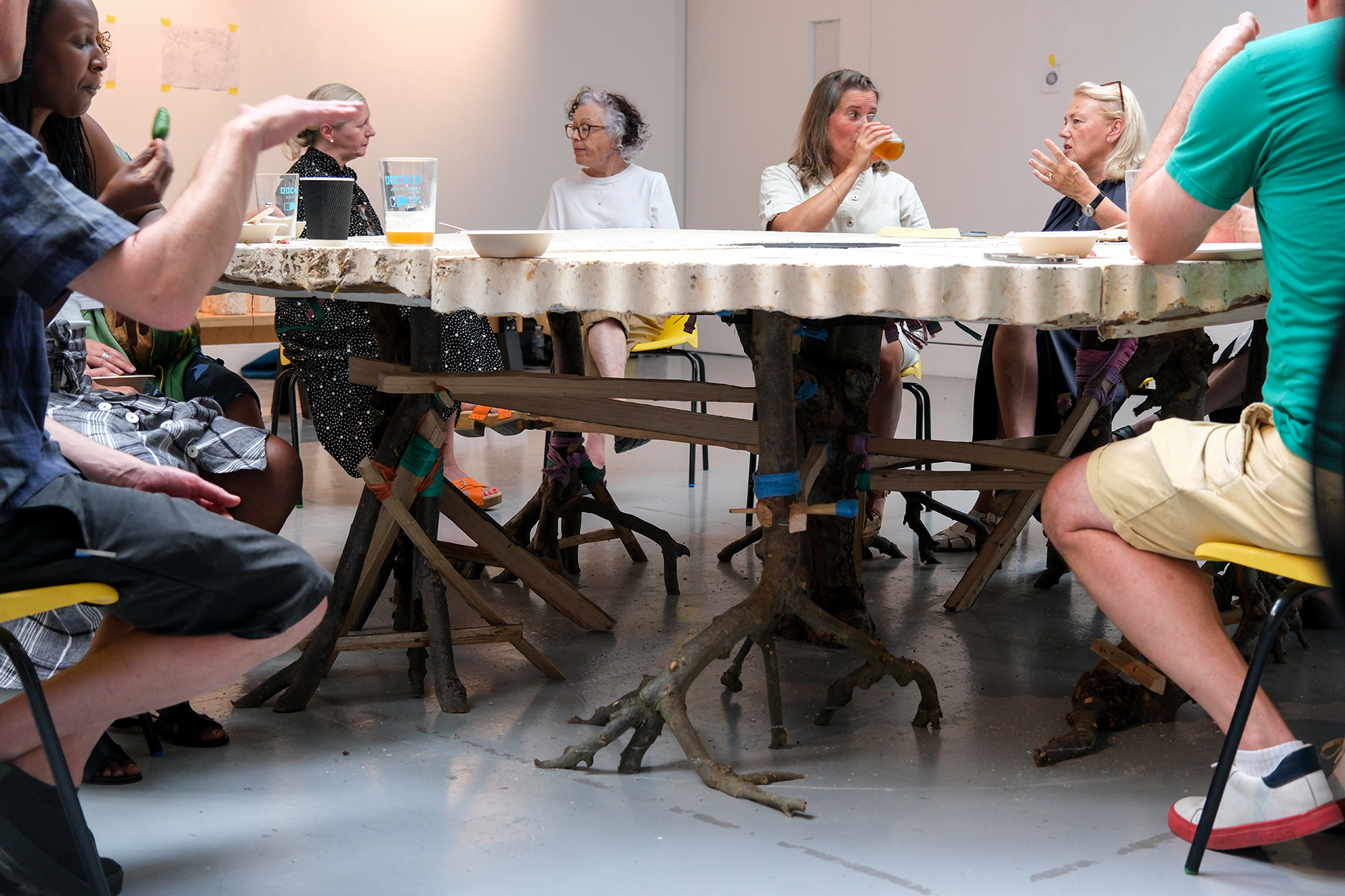
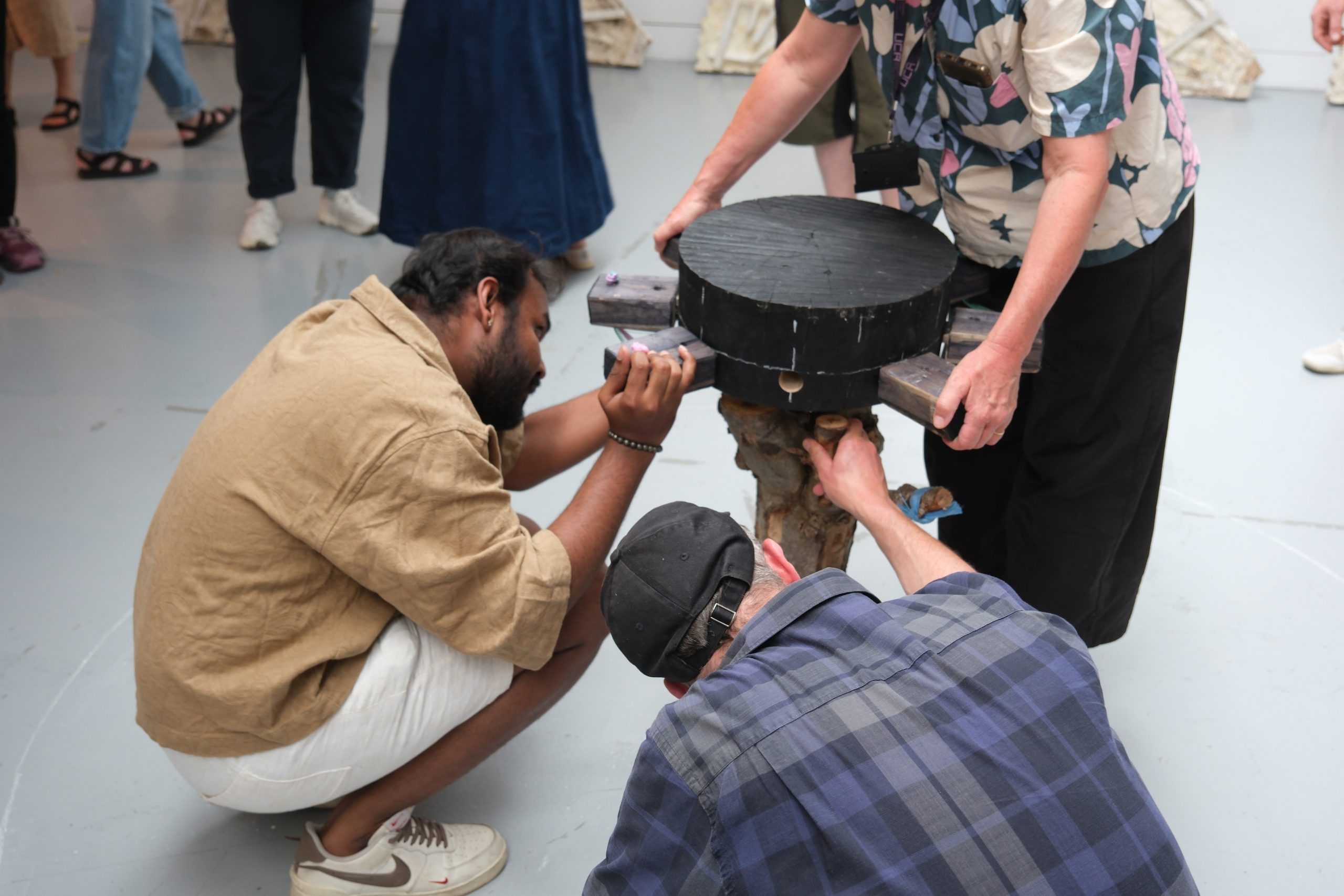
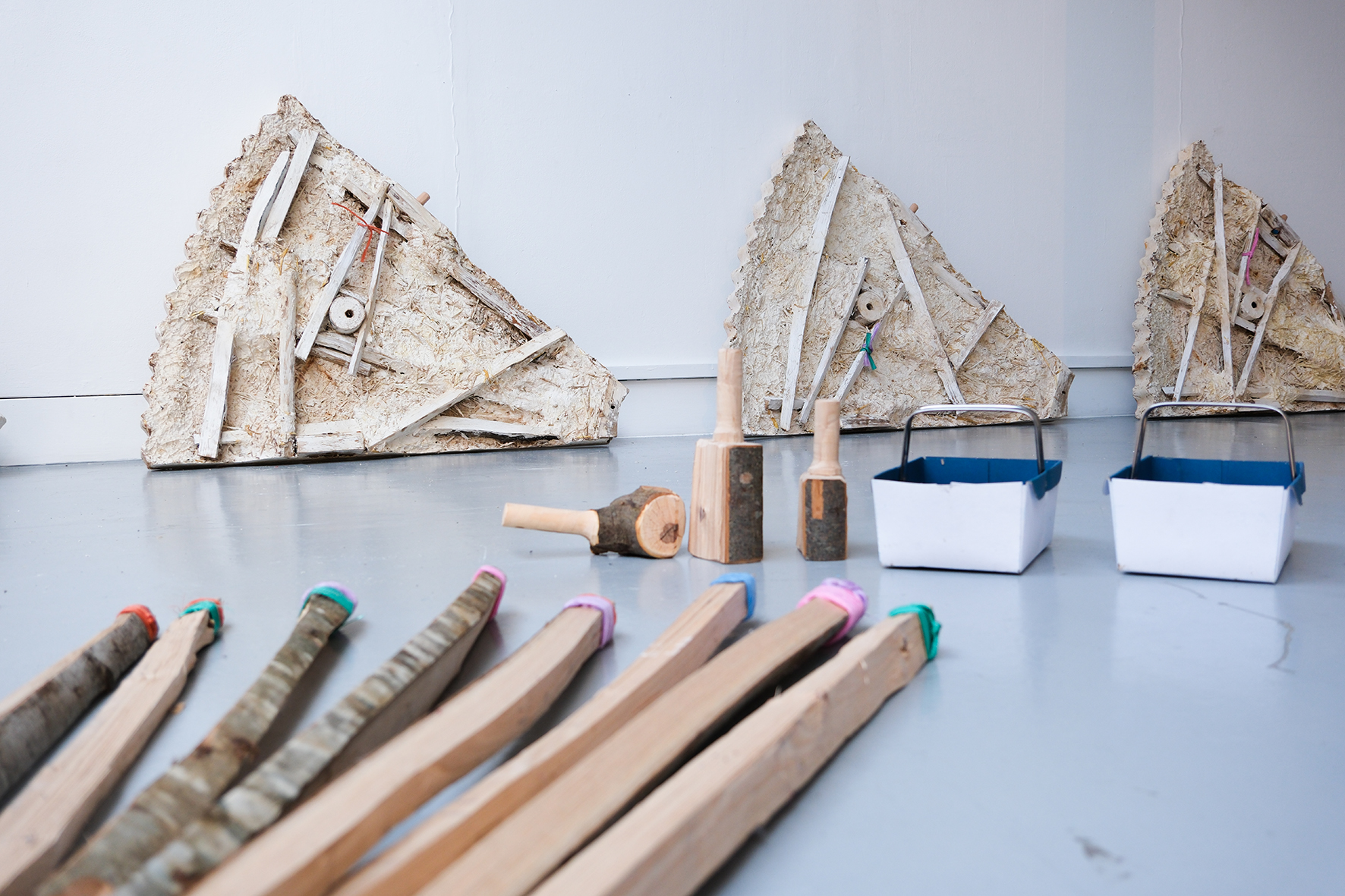
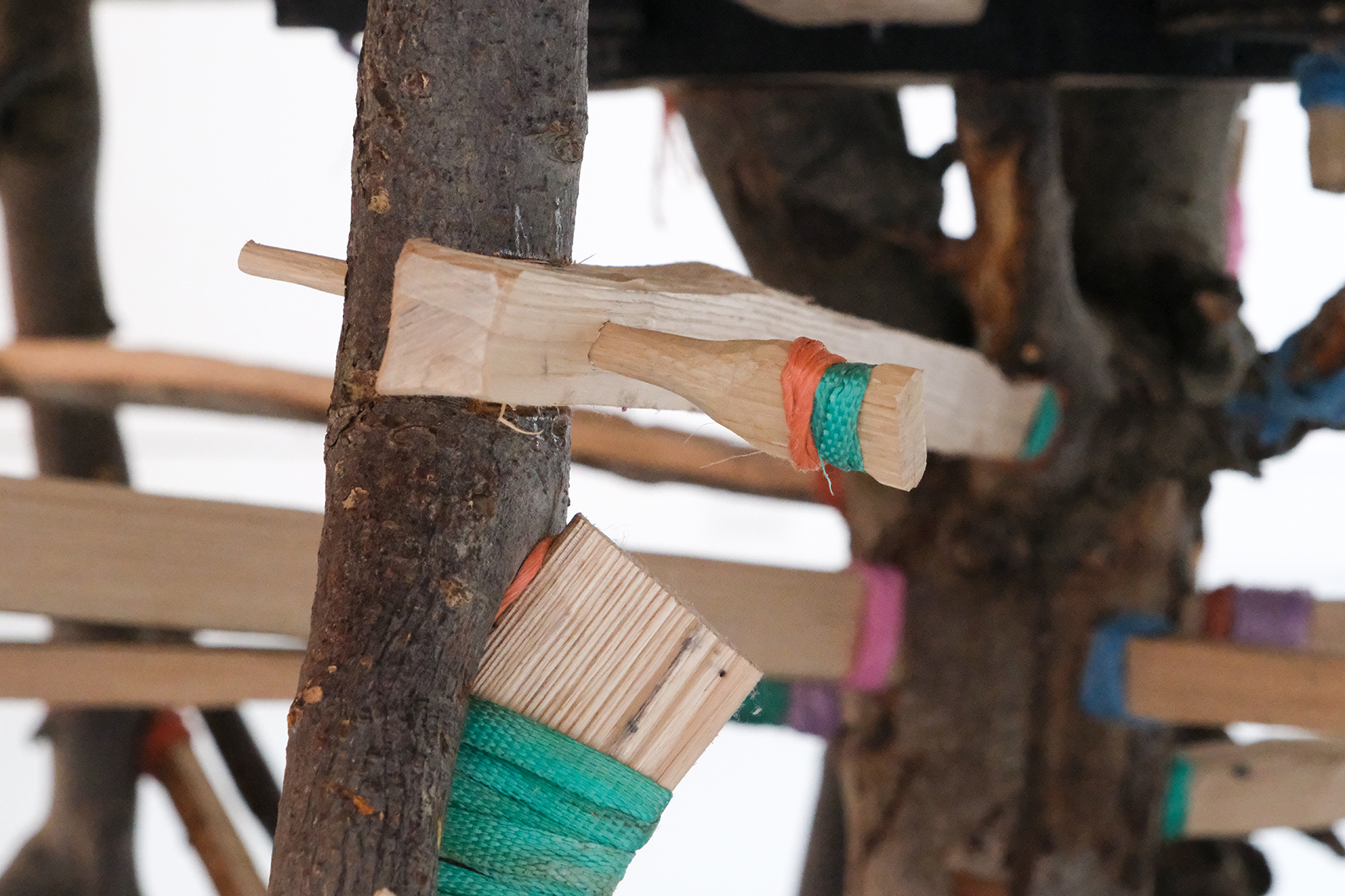
The table is an assemblage of materials including chalk, sweet chestnut timber, bark peelings, gypsum, lime and apple trees, combined with agricultural industrial waste products such as bailing twine and pallet straps.
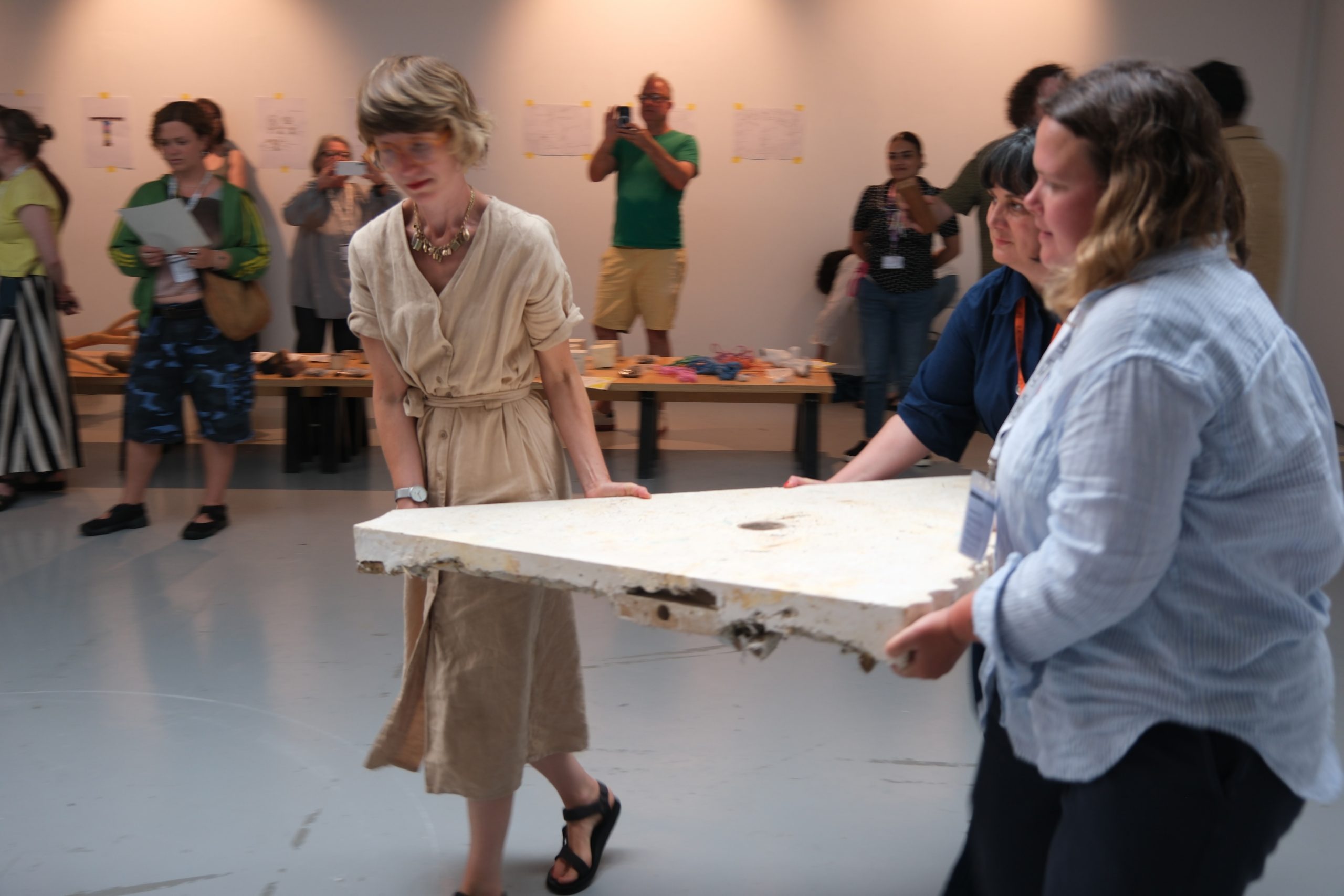
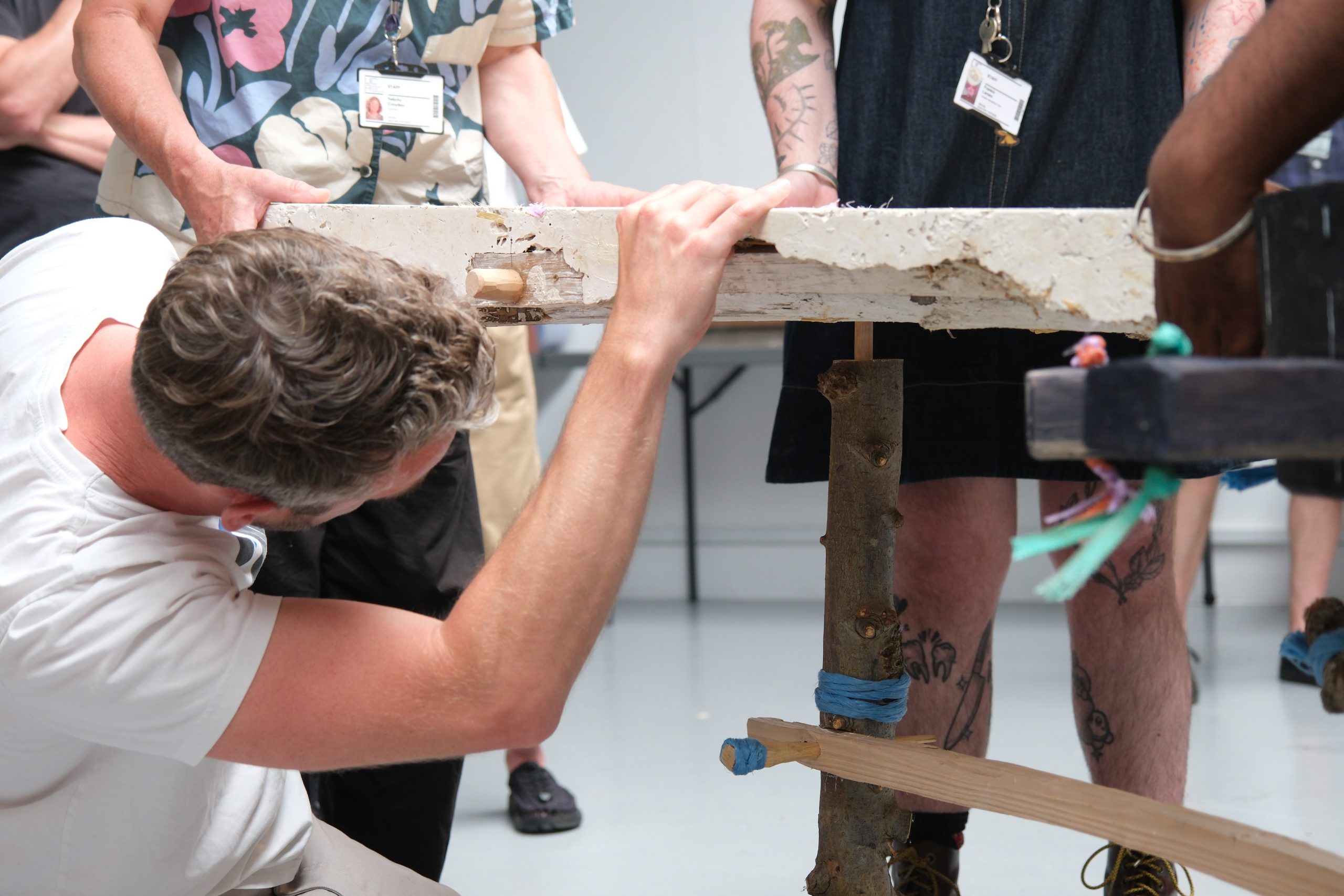
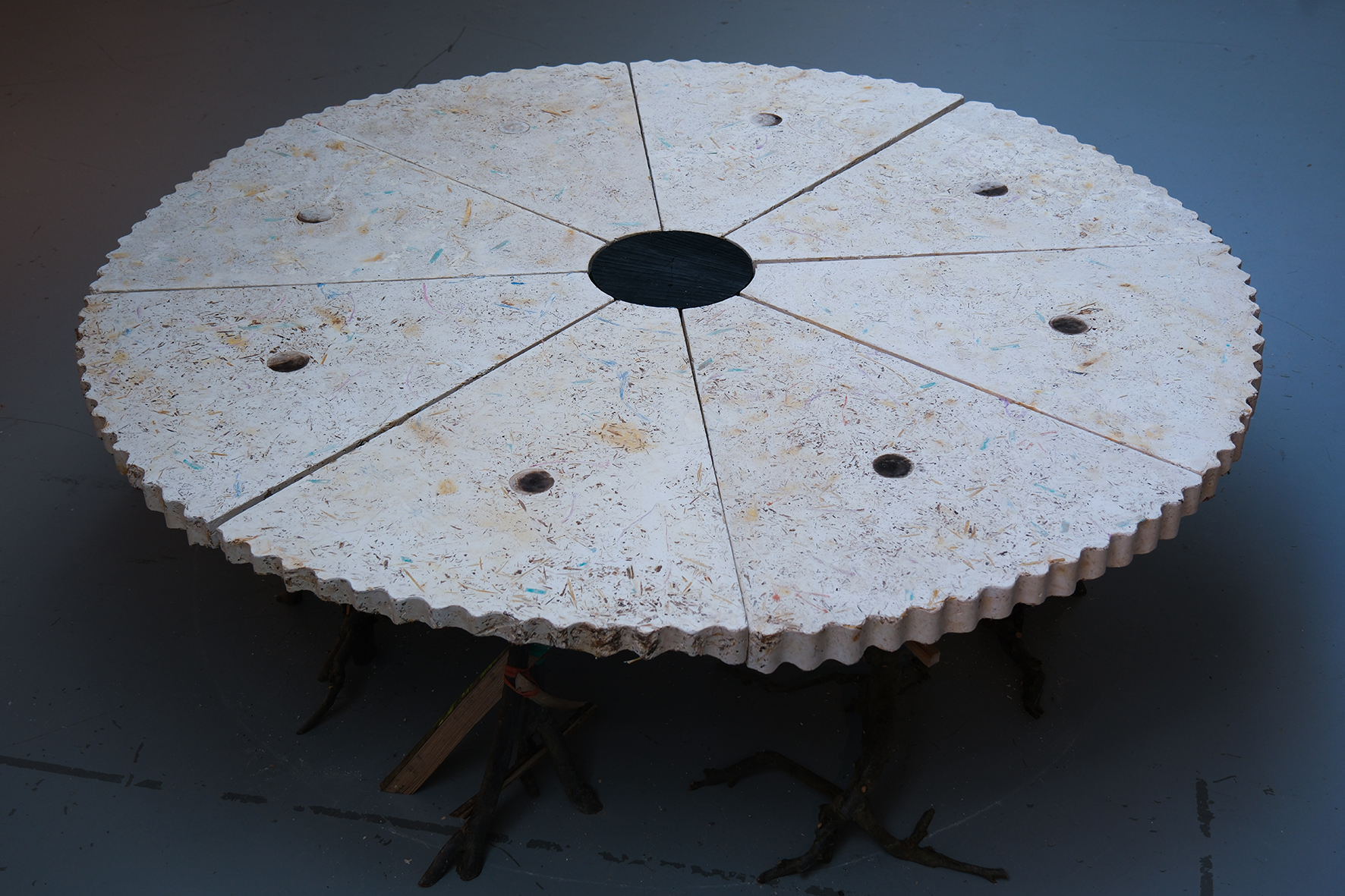
The table top was cast in 8 segments, using a mixture made of chalk, gypsum and lime, with an aggregate of bark peelings and bailing twine.
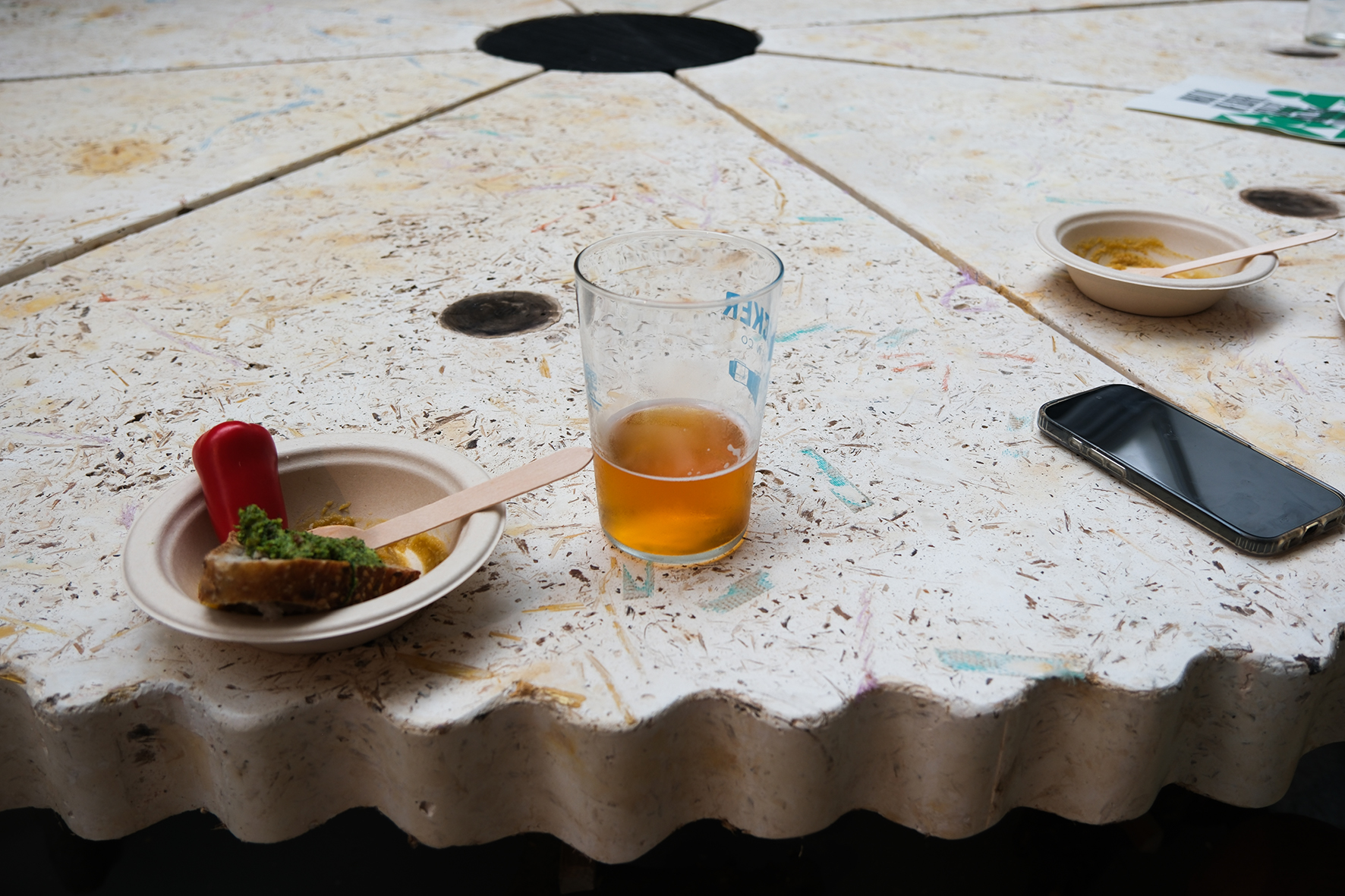
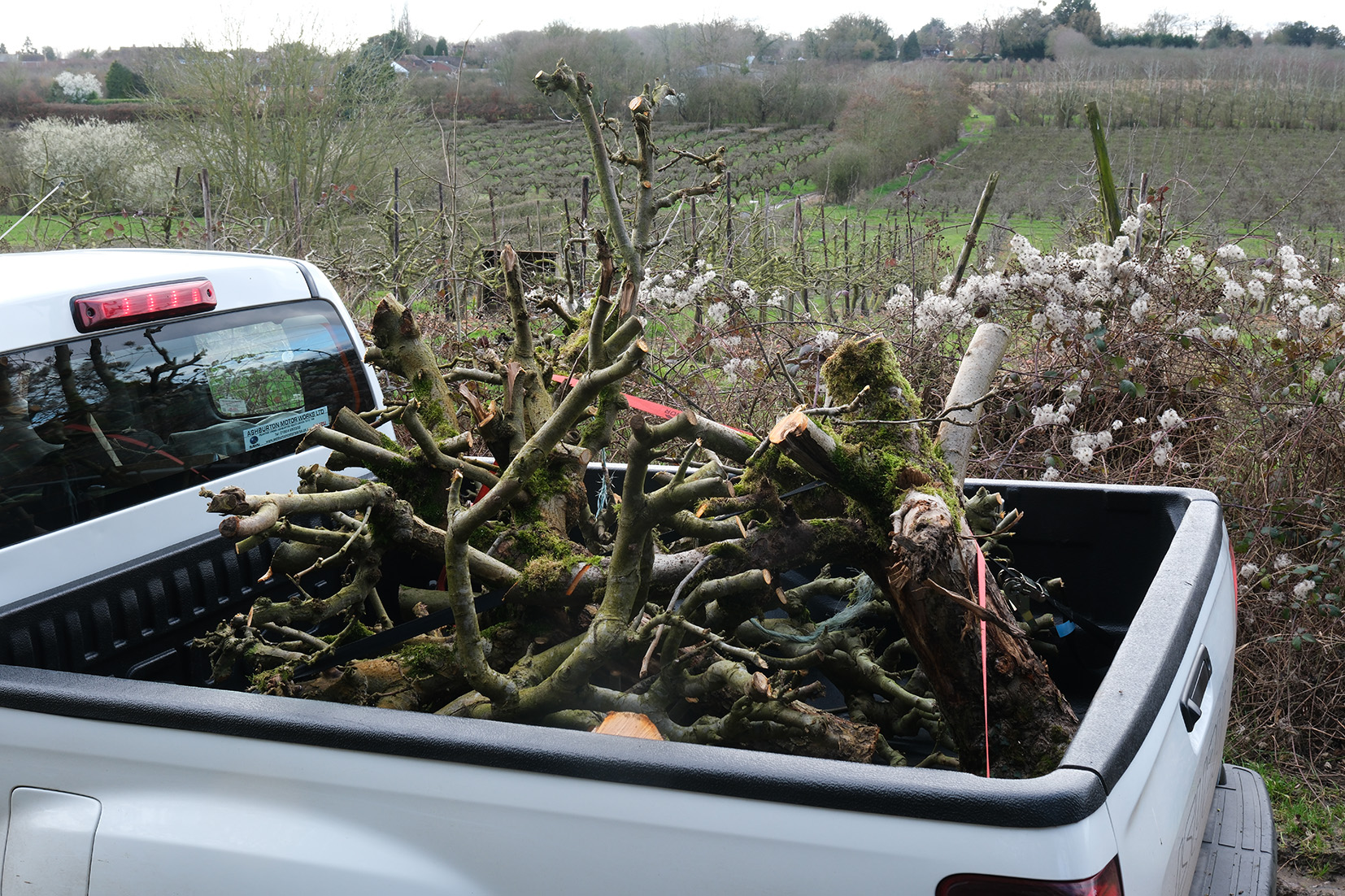
The 8 outer table legs are made using apple tree branches, supported by sweet chestnut radial ‘spokes’. The central trunk is an apple tree with a circular ‘moon’ of sweet chestnut that forms the center of the table.
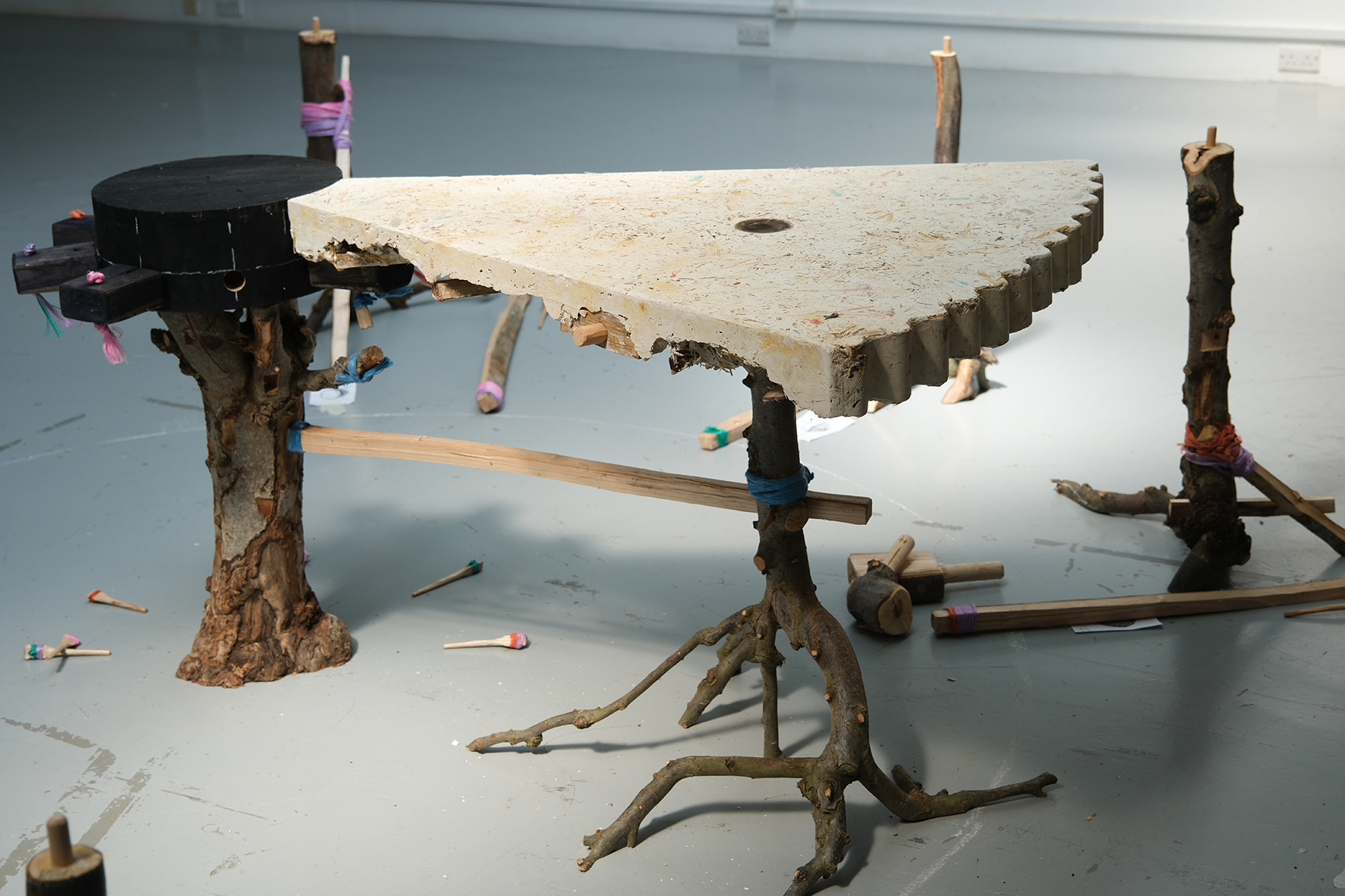
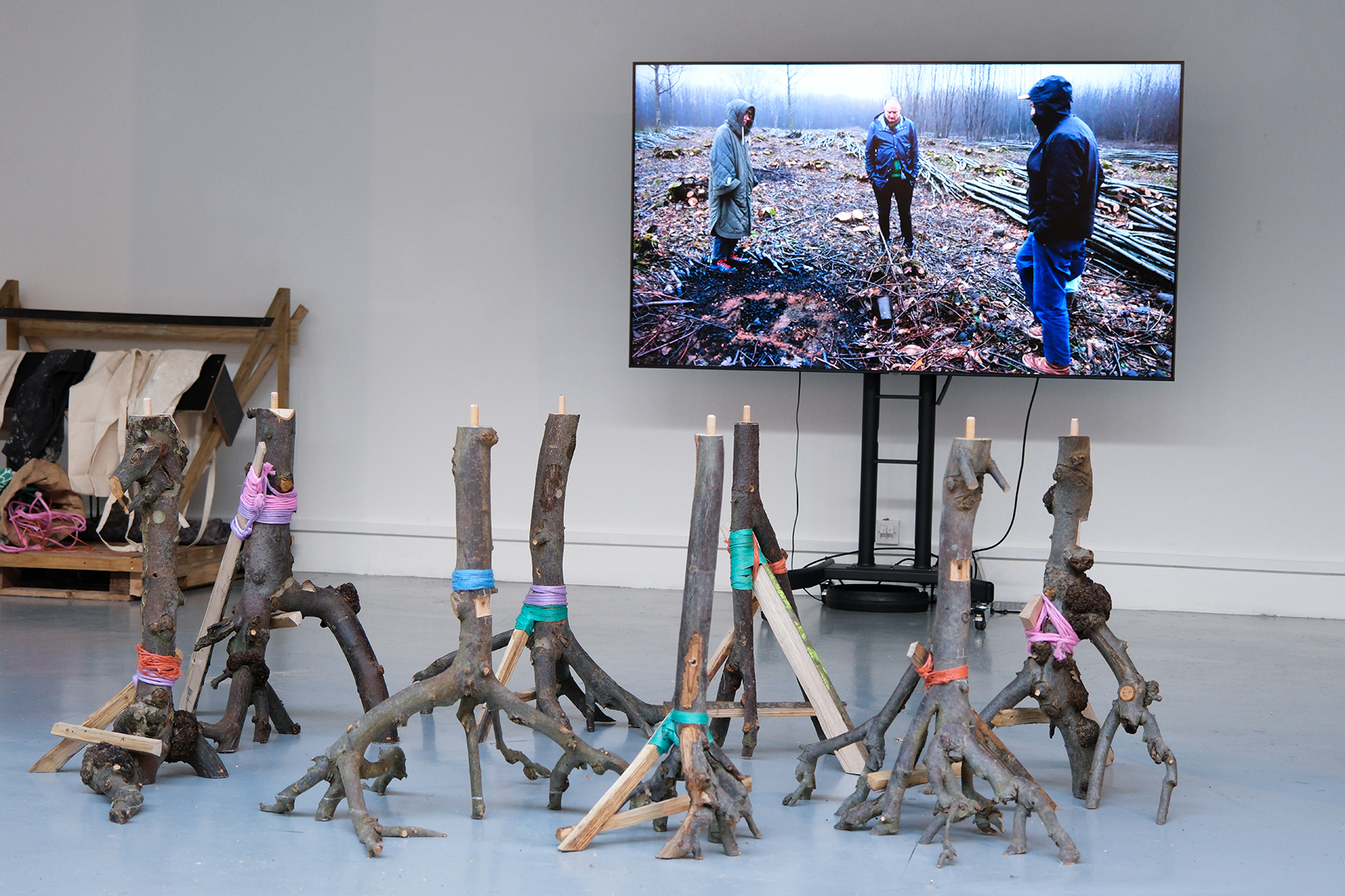
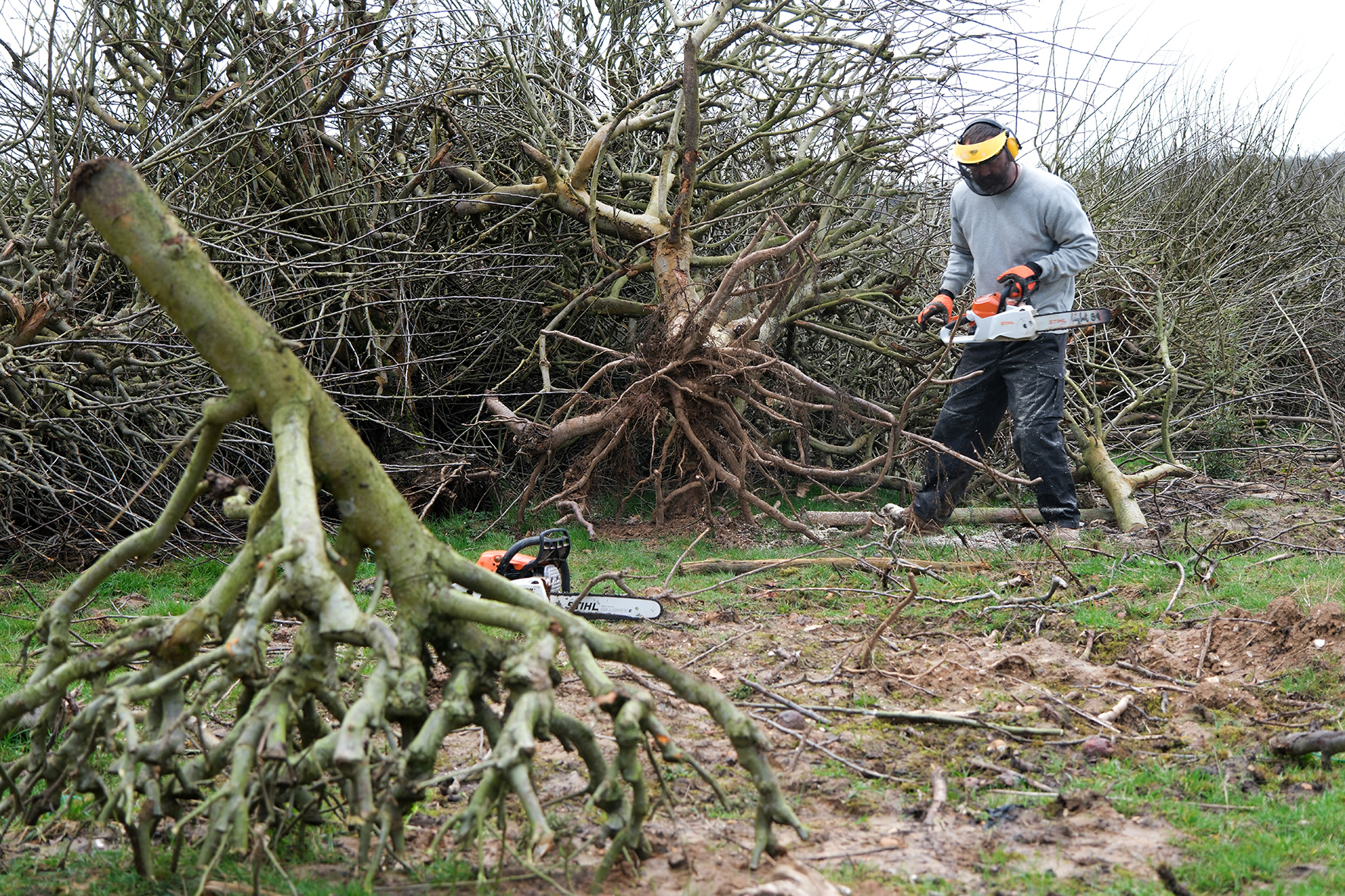
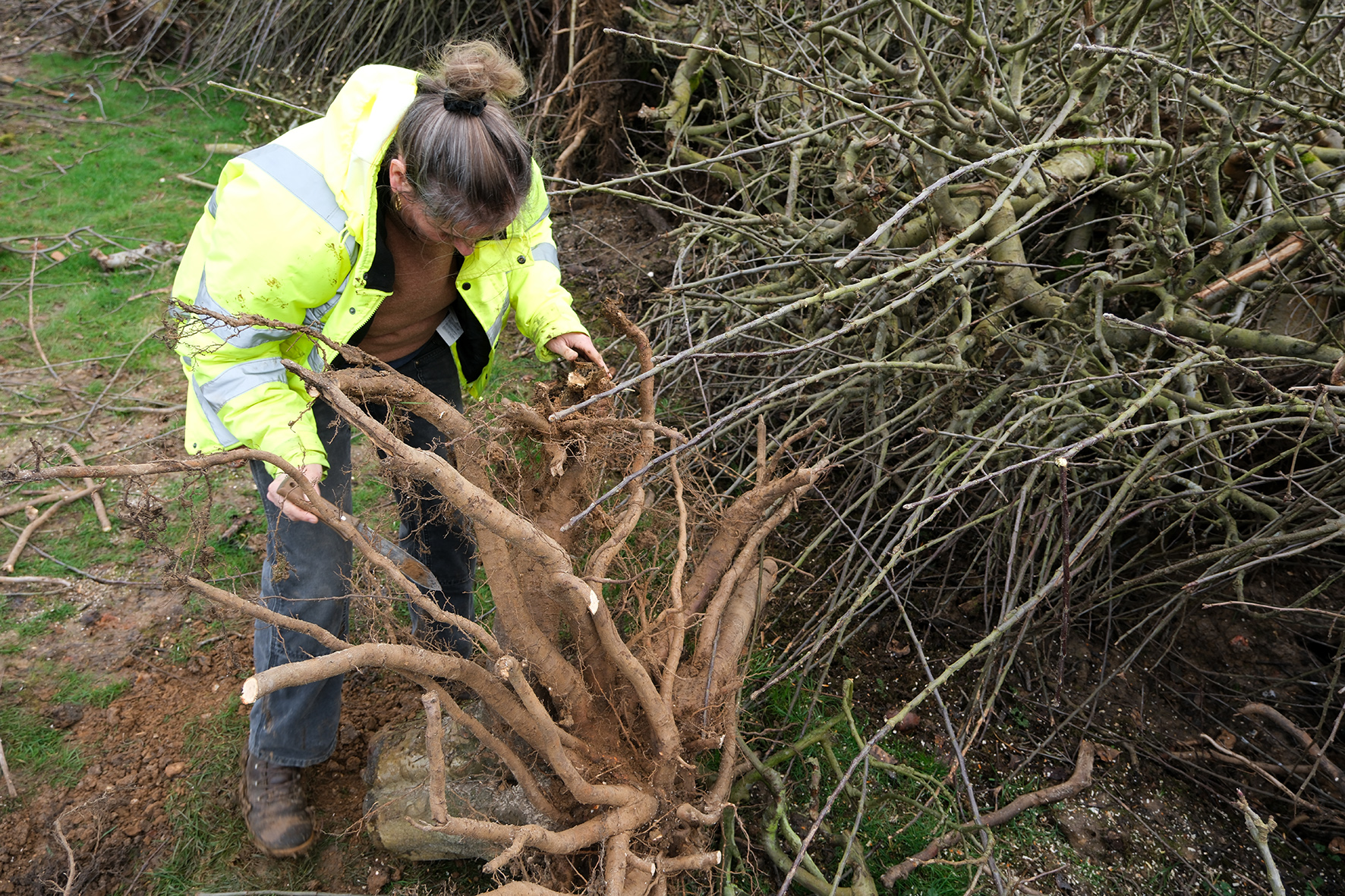
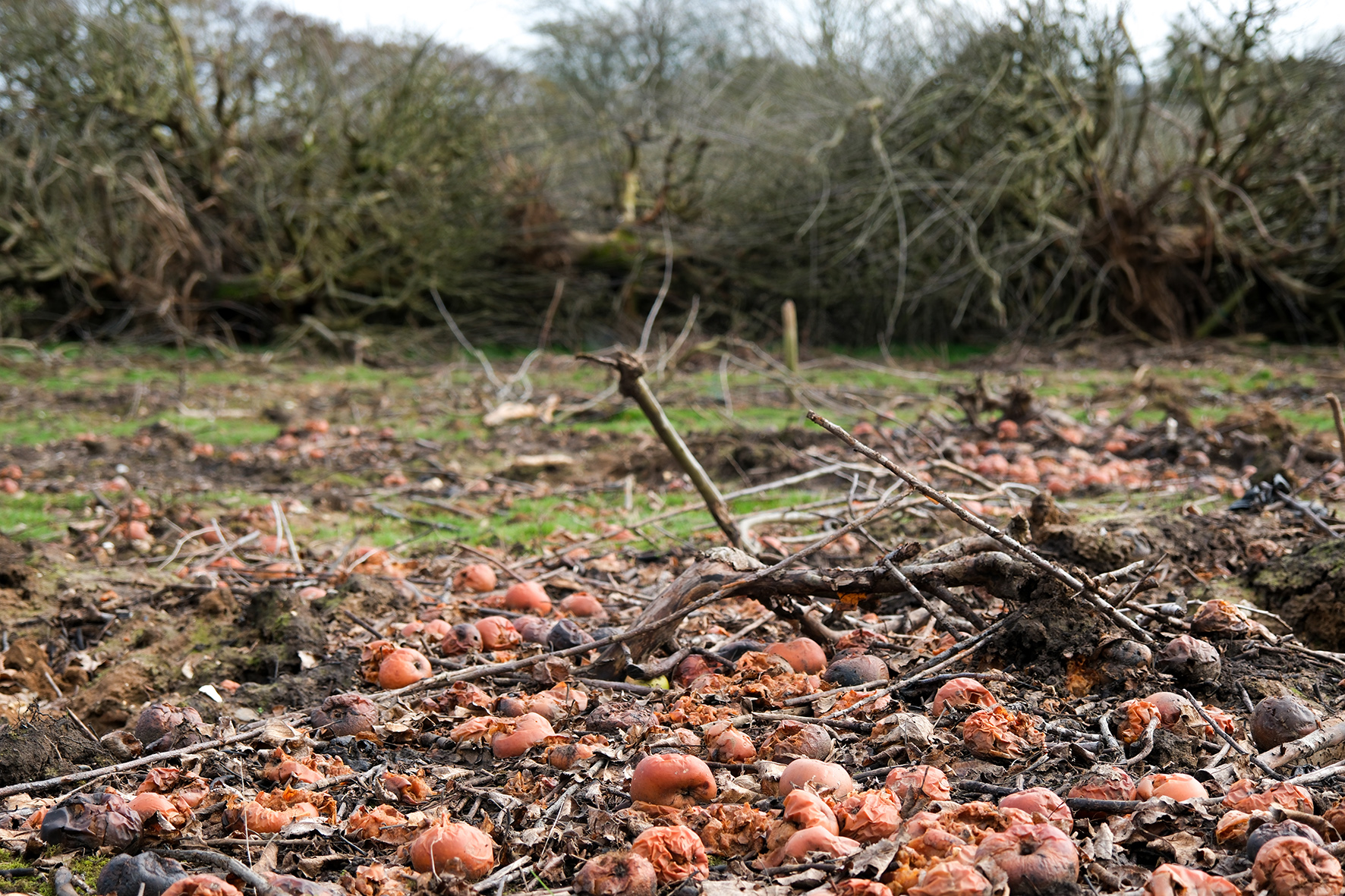
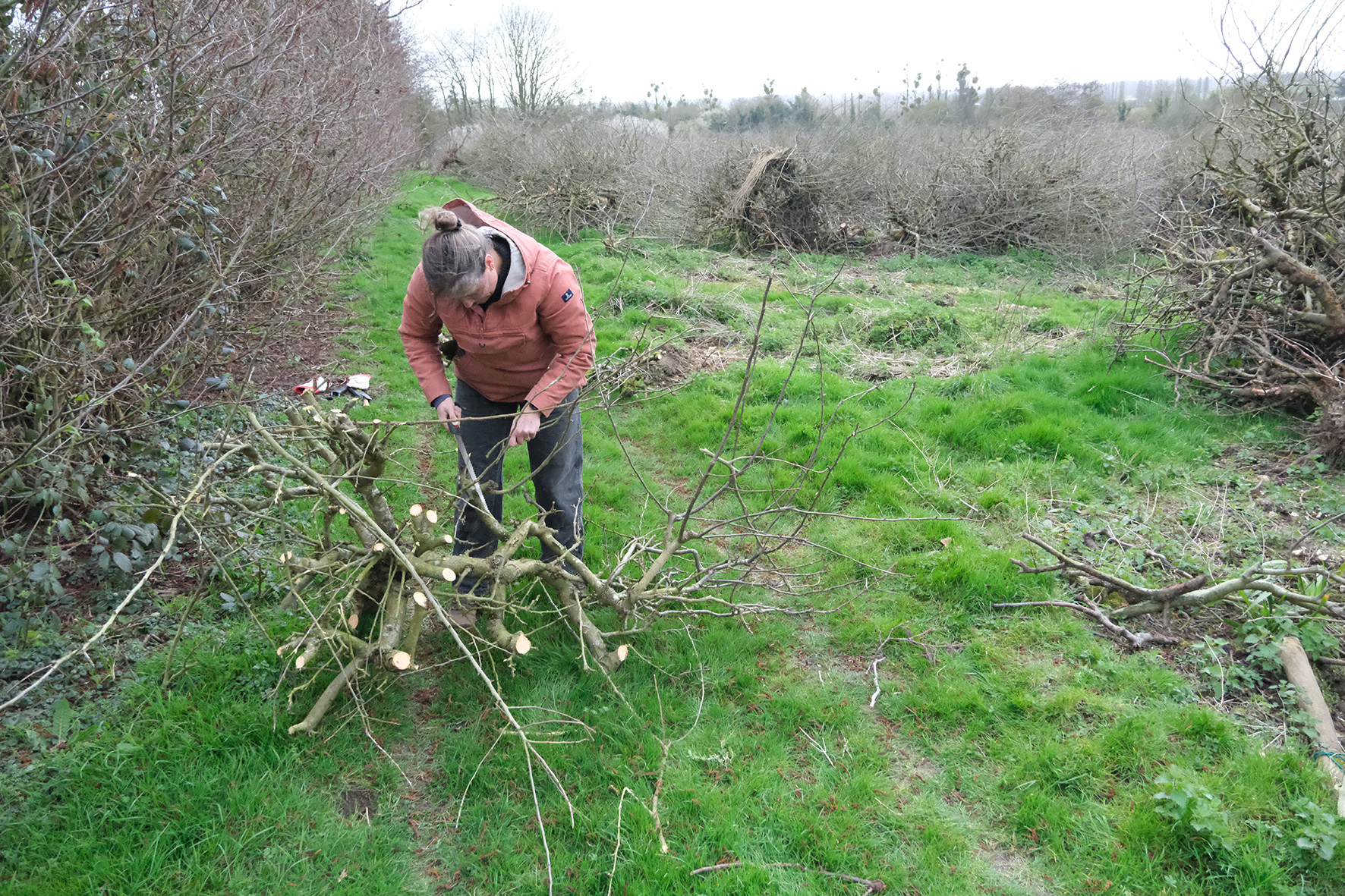
Apple timber was sourced from a farm in Kent, which was in the process of removing Bramley apple trees from several fields. The up-rooting of fruit trees in commercial orchards is linked to fluctuating economic pressures and the changing climate.
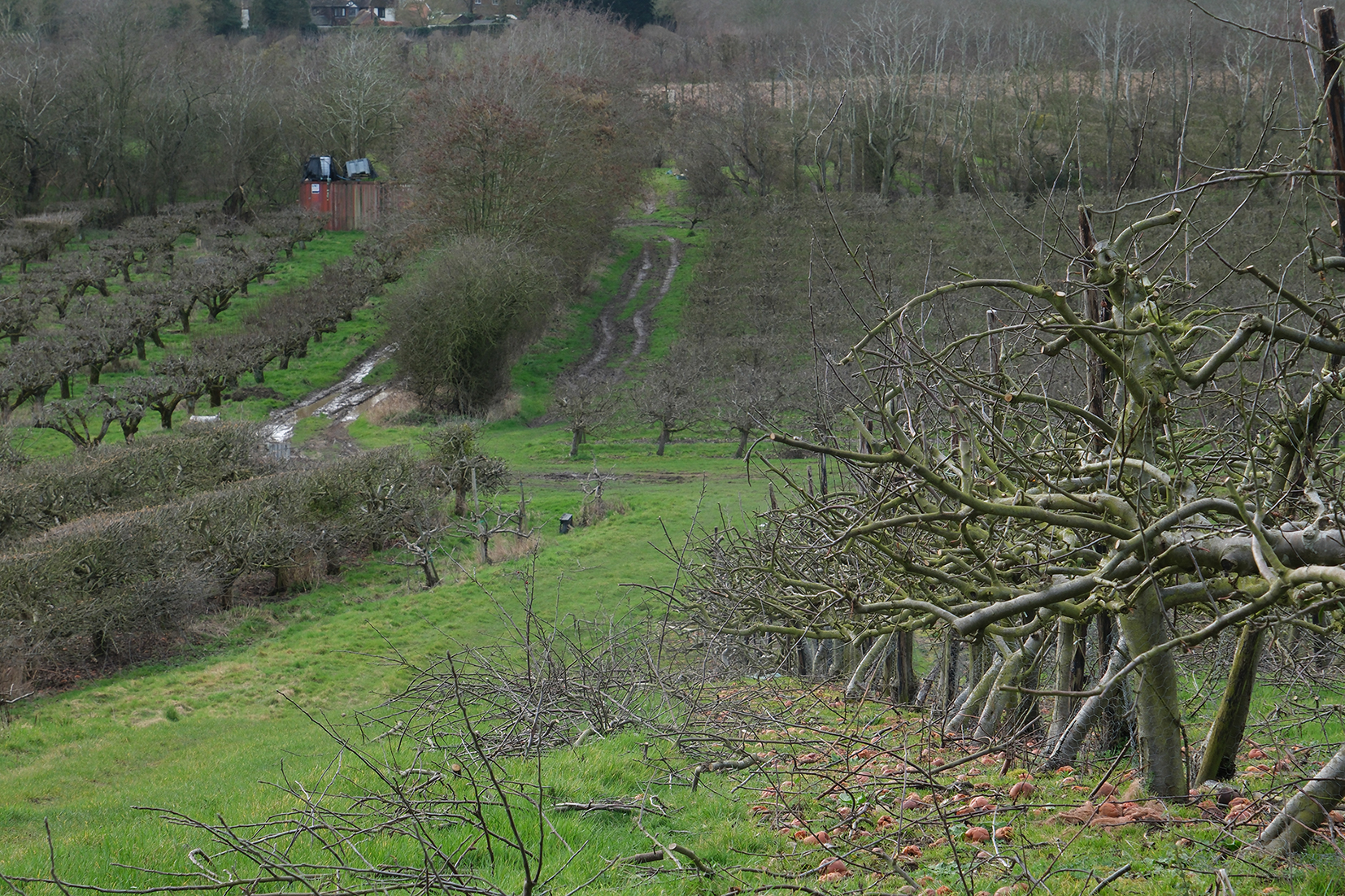
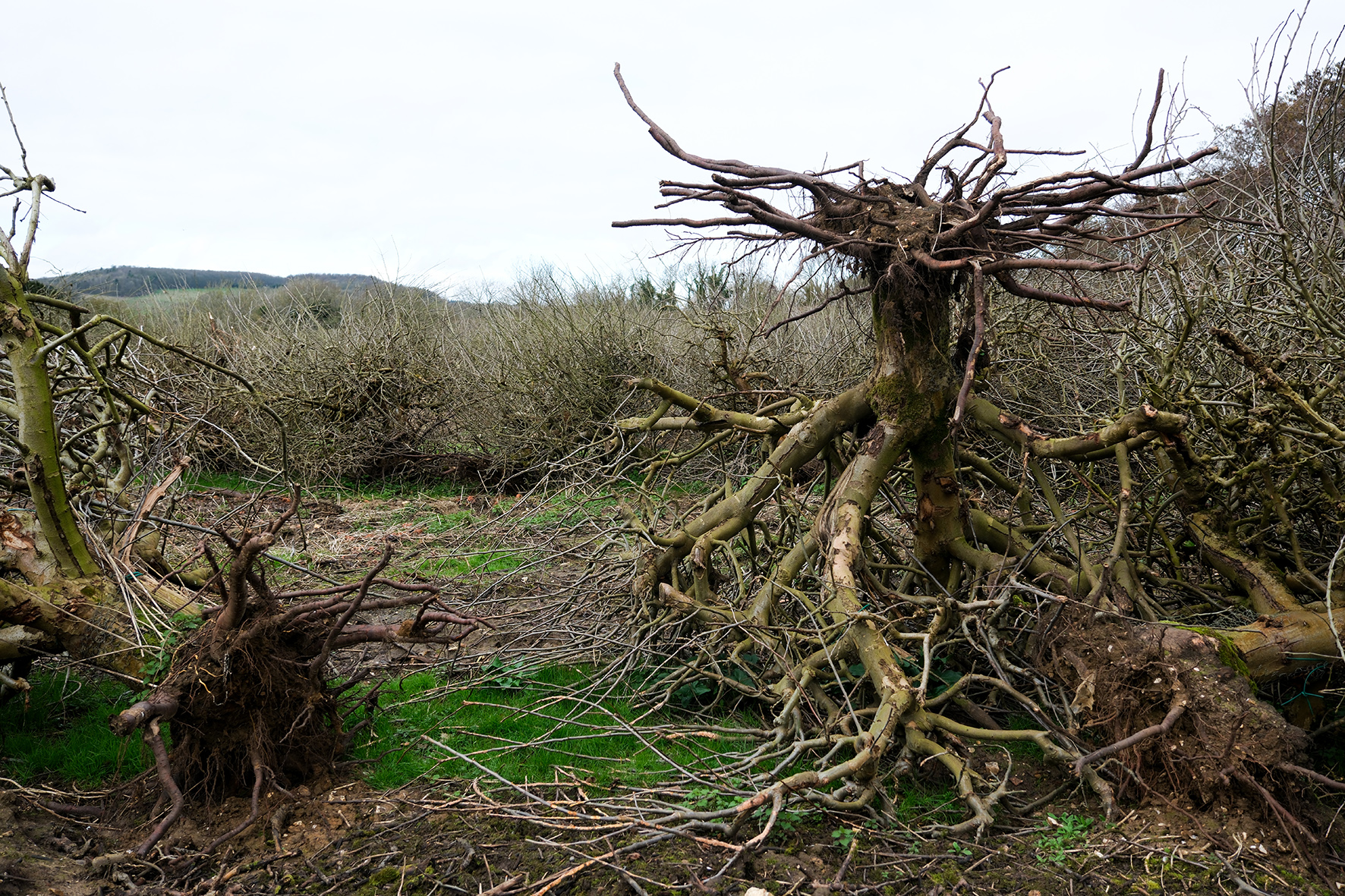
Loretta from LWS has written about orchards and the cyclical ‘grubbing-up’ of mature apple trees over on our Substack: Grounder
Below is an excerpt from her post:
“When an orchard is grubbed out, it is a loss. At its most derivative, it is the loss of a valuable material resource. It is a loss of years of investment, stewardship and a reliable income for the farmer. It is the loss of carbon to the atmosphere and a fully functioning mechanism for sequestration. The loss of an orchard represents an erosion of our capacity for national food security and sovereignty – only 40% of apples consumed in the UK are grown here. We must not forget that it is also a loss to the personhood of the trees themselves, and a loss of a home to those more-than-human beings who come to depend on them. It also represents a loss to the distinctive culture and identity of communities around the UK – and anywhere else that apples grow and orchards are cultivated. It would be a mistake, however, to equate the grubbing up of orchards to the loss of a bucolic, monocultural concept of an England that never really existed, or to grieve, instead of acting. The loss, especially when an underperforming commercial orchard must be replaced, is actually a rare moment of possibility – a chance seedling from a discarded pip. It is a moment for re-evaluation, or remembering, of what orchards can do. Well-managed orchards can be complex habitats and cultural sites that exemplify hybridity and our capacity to provide for our own needs, whilst creating a mosaic of opportunities for others to benefit too. Orchards can enrich the diversity of our landscapes, cultures, food and ecologies, connecting us to place and to roots that run deeper and wider than nationhood.“
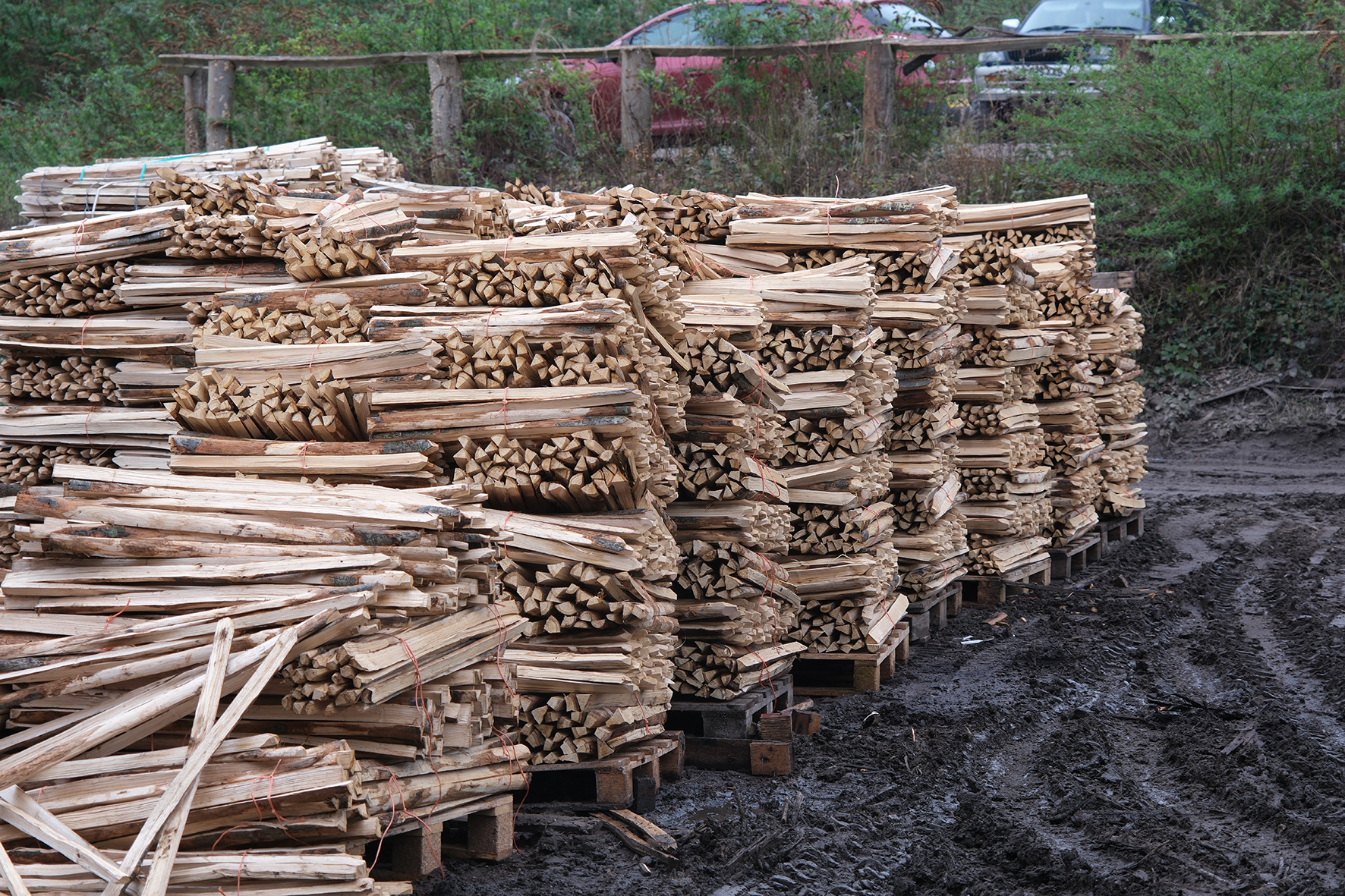
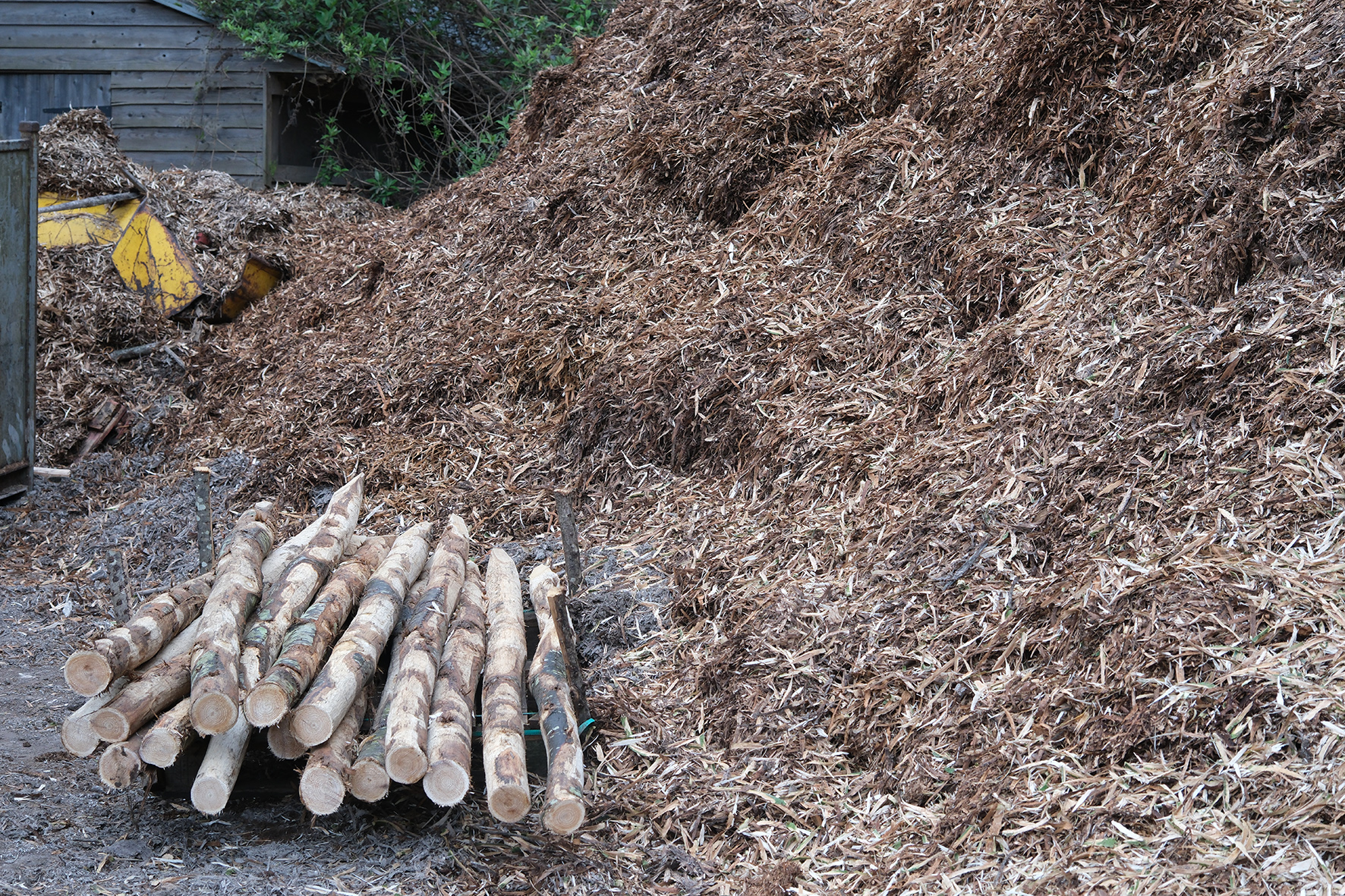
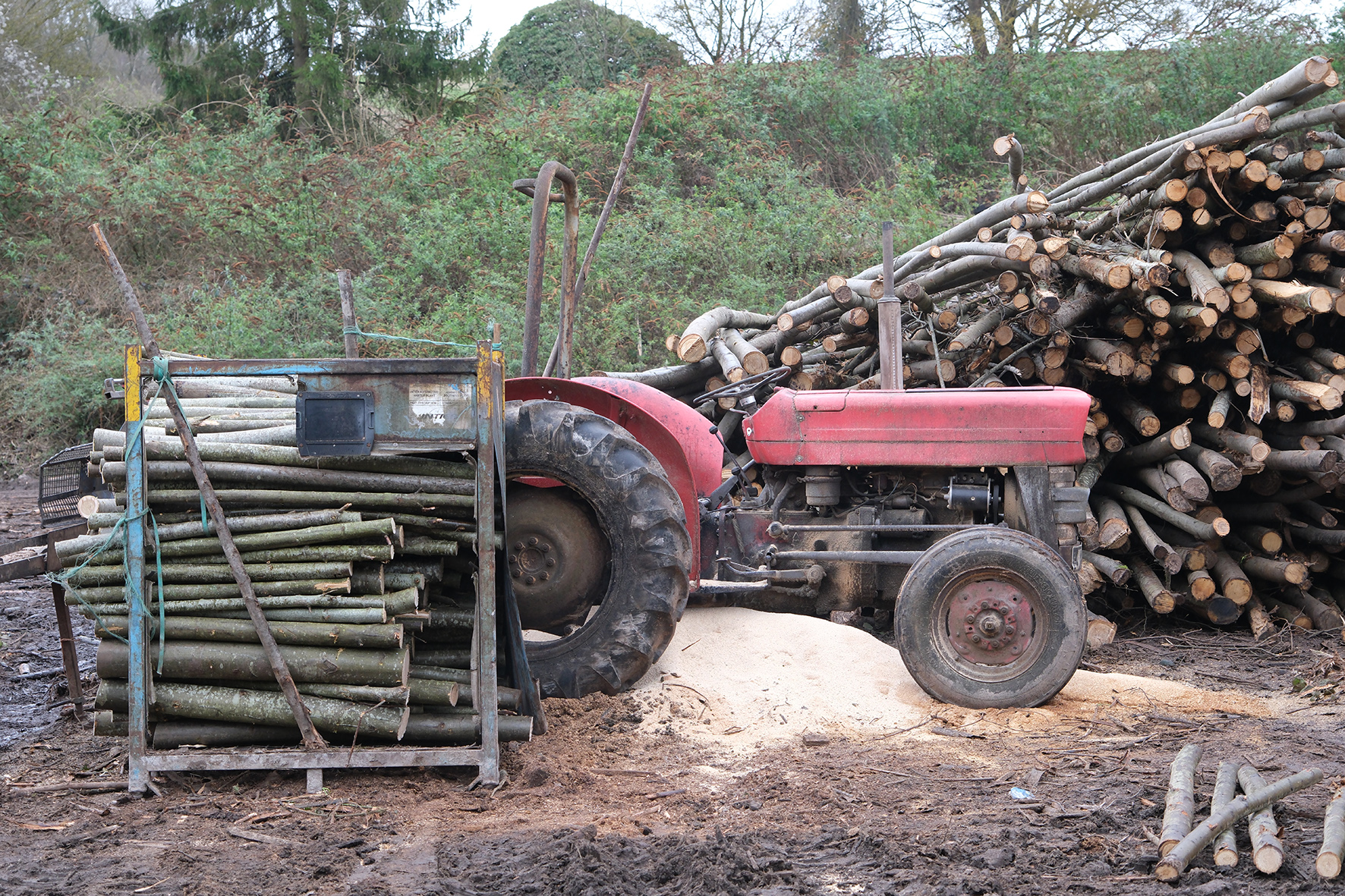
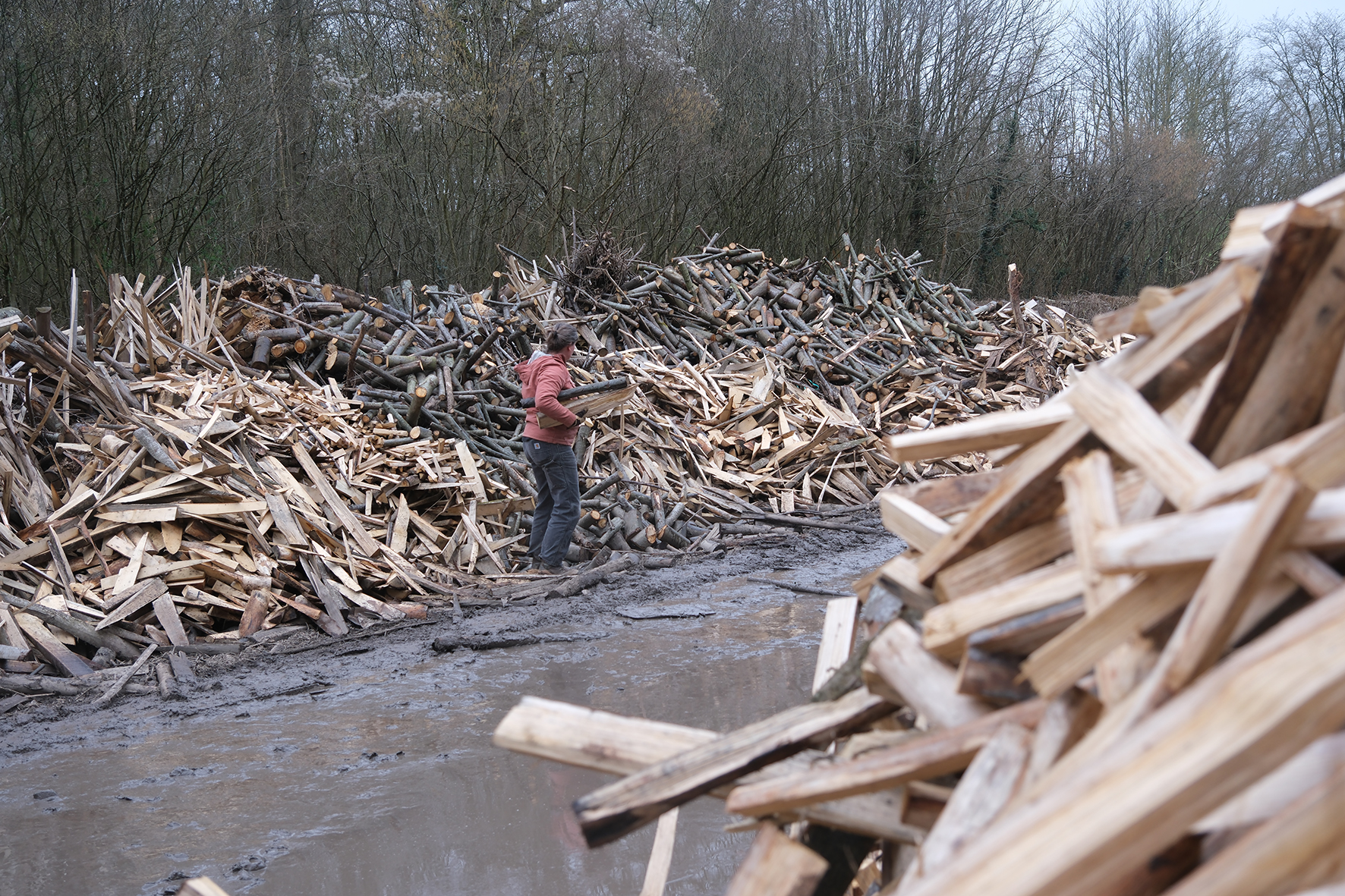
Sweet chestnut timber, in the form of waste from the fabrication of fencing products, was gathered as wonky pailings – which became supports for the table legs – and bark chipping, which was used as a bio-based aggregate in the table top castings.
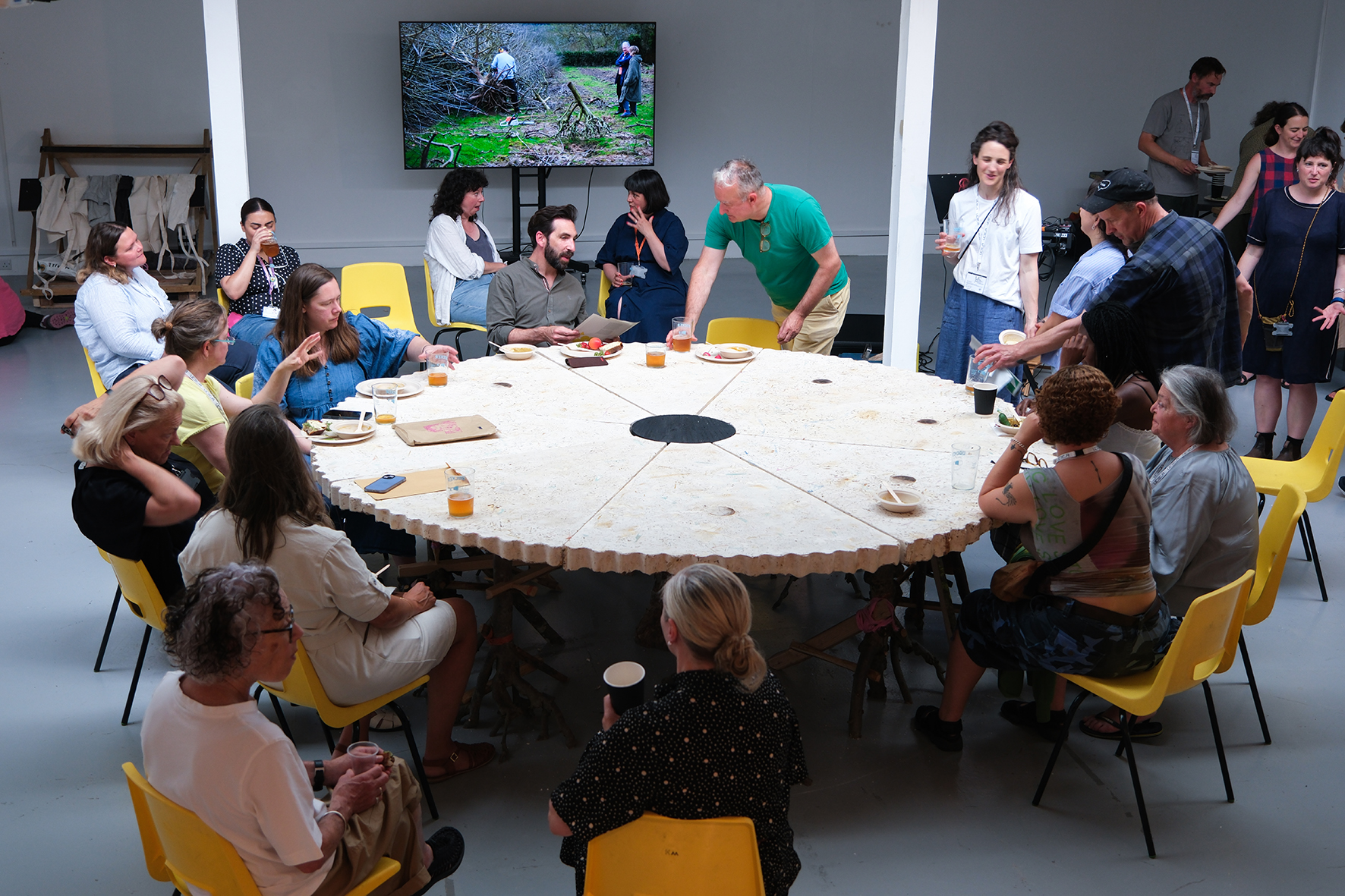
The table is intended to be the centre of curated events where it is collectively assembled at ‘harvest gatherings’ – bringing people together to ask “What do we gather, harvest and give thanks for today?”